
भक्ति परम्परा Devotional tradition
The King Who Laughed
वह राजा, जो हँस दिया
शनि देव शुभ कर्म का शुभ फल उतनी ही ठीक-ठीक देते हैं जितना कठोर कर्म का कठोर, और यहीं वे यह बात स्वयं कहते हैं। एक राजा ने उन्हें उनके आसन से तौला और उसके बदले साढ़े सात वर्ष, अपने हाथ और अपने पाँव गँवाए। जब वह काल बीता और वर देने की बात आई, तब उस राजा ने अपने लिए कुछ नहीं माँगा।
Shani Dev gives good fruit for good karma as exactly as he gives hard fruit for hard, and this is where he says so himself. A king judged him by the seat he sat on and lost seven and a half years, his hands and his feet for it. When it was over and a boon was offered, that king asked for nothing for himself.
वह प्रश्न, जिसका उत्तर किसी को न देना था A question nobody should have answered
नौ ग्रहों में विवाद उठा कि उनमें श्रेष्ठ कौन है, और वह सुलझा नहीं। वे इन्द्र के पास गए, और इन्द्र देवराज थे और मूर्ख न थे, अतः उन्होंने उन्हें अन्यत्र भेज दिया। उज्जैन जाओ, उन्होंने कहा। विक्रमादित्य न्यायी पुरुष है। वही निर्णय करे।
The nine grahas fell into a dispute about which of them was the greatest, and could not settle it. They went to Indra, and Indra was king of the gods and no fool, and he sent them somewhere else. Go to Ujjain, he said. Vikramaditya is a just man. Let him decide.
तो वे एक मर्त्य सभा में उतरे और वहाँ खड़े होकर एक मनुष्य से कहा कि हमें क्रम दो।
So they came down to a mortal court and stood there and asked a man to rank them.
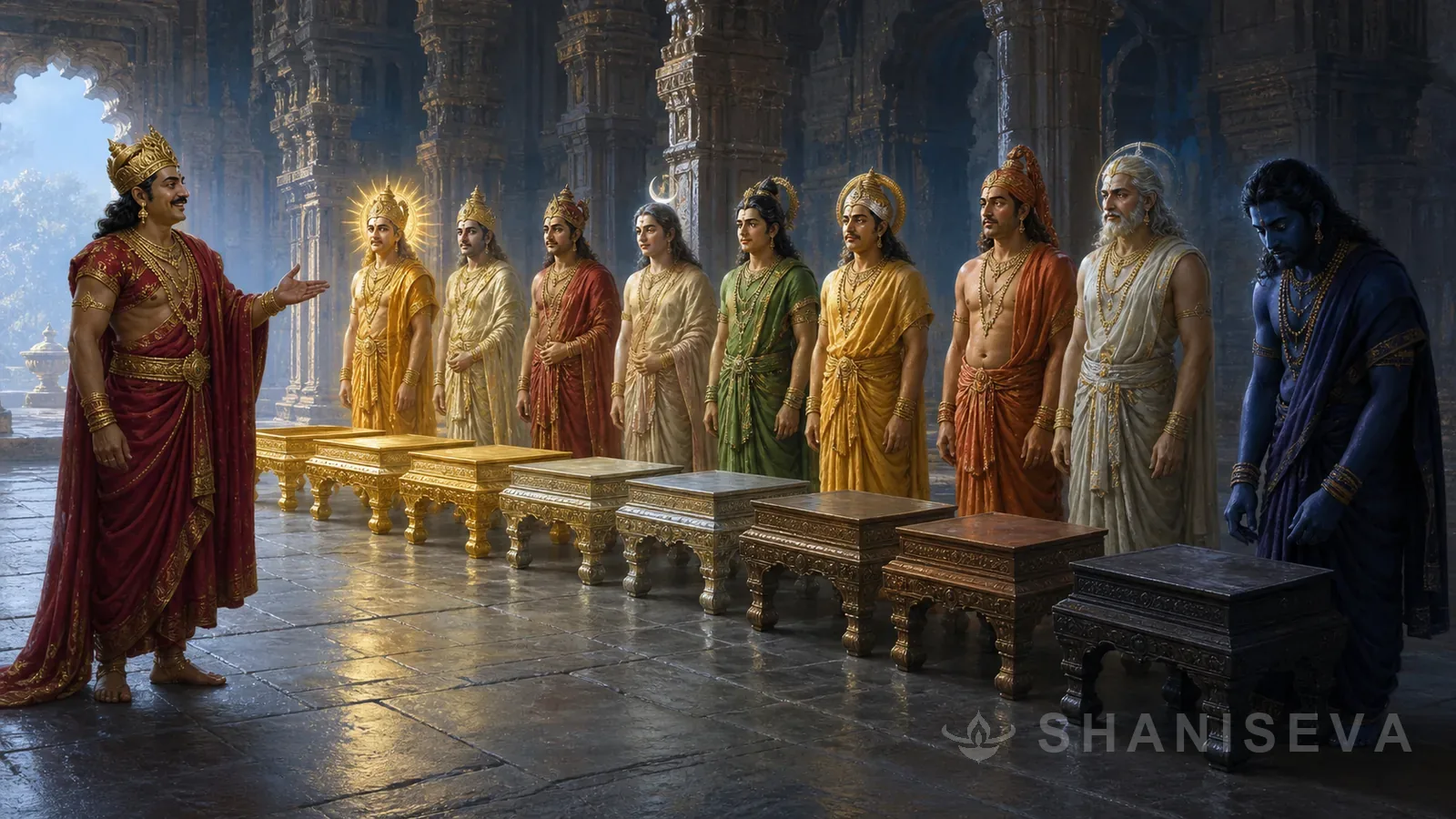
विक्रमादित्य ने जाल तत्काल देख लिया। वे जिसका भी नाम लेते, आठ रुष्ट होकर सभा से जाते। अतः उन्होंने एक चतुर उपाय किया। उन्होंने नौ धातुओं के नौ आसन मँगवाए, स्वर्ण से लेकर लोहे तक, और उन्हें पंक्ति में रखवाकर प्रत्येक ग्रह से कहा कि अपना आसन ले लीजिए। फिर जो सबसे आगे बैठा, उसी को श्रेष्ठ कहा।
Vikramaditya saw the trap at once. Whichever he named, eight would leave his court offended. So he did something clever. He had nine seats brought, of nine metals, from gold down to iron, and he set them in a line and invited each graha to take his own. Then he named as greatest whoever sat at the head.
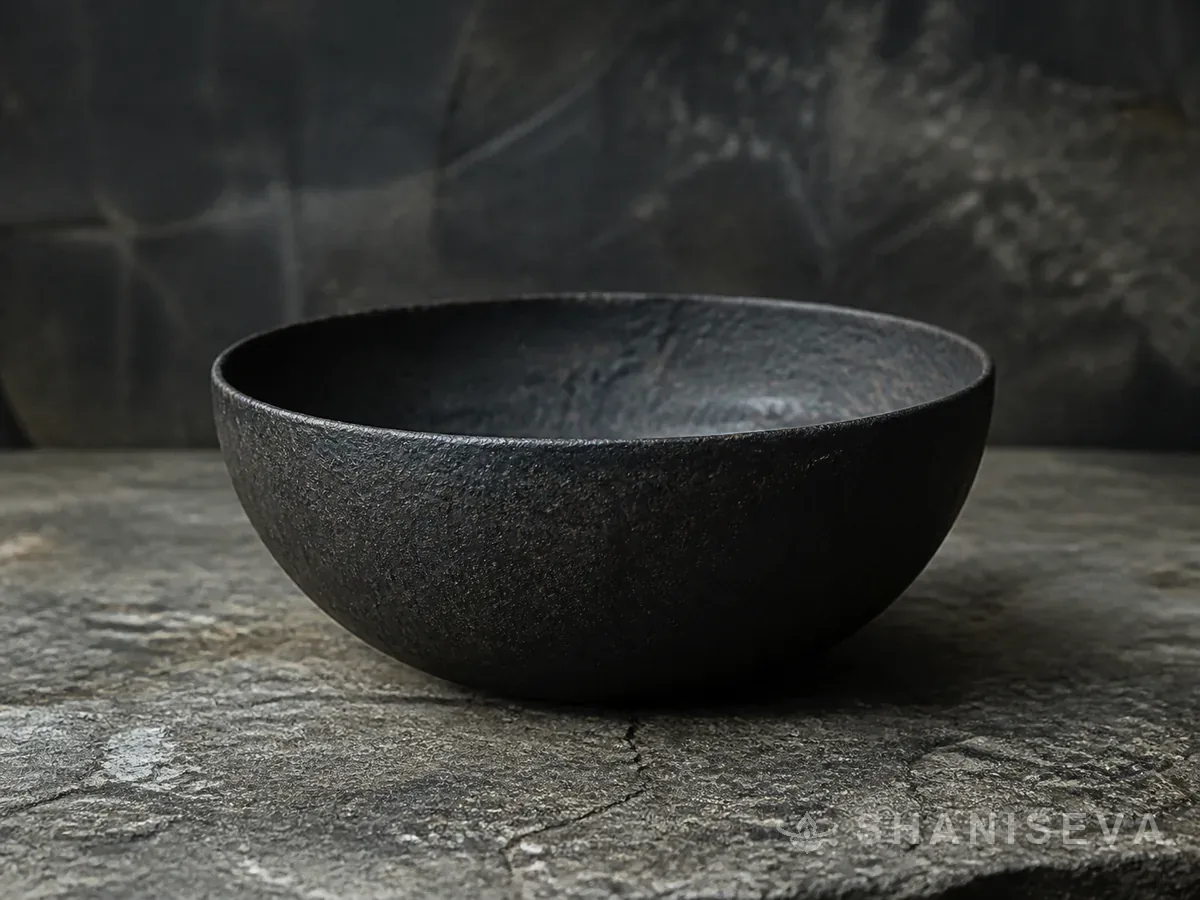
लोहा अन्त में था। शनि देव लोहे पर बैठे।
Iron was last. Shani Dev sat on iron.
और तब राजा हँस पड़ा And then the king laughed
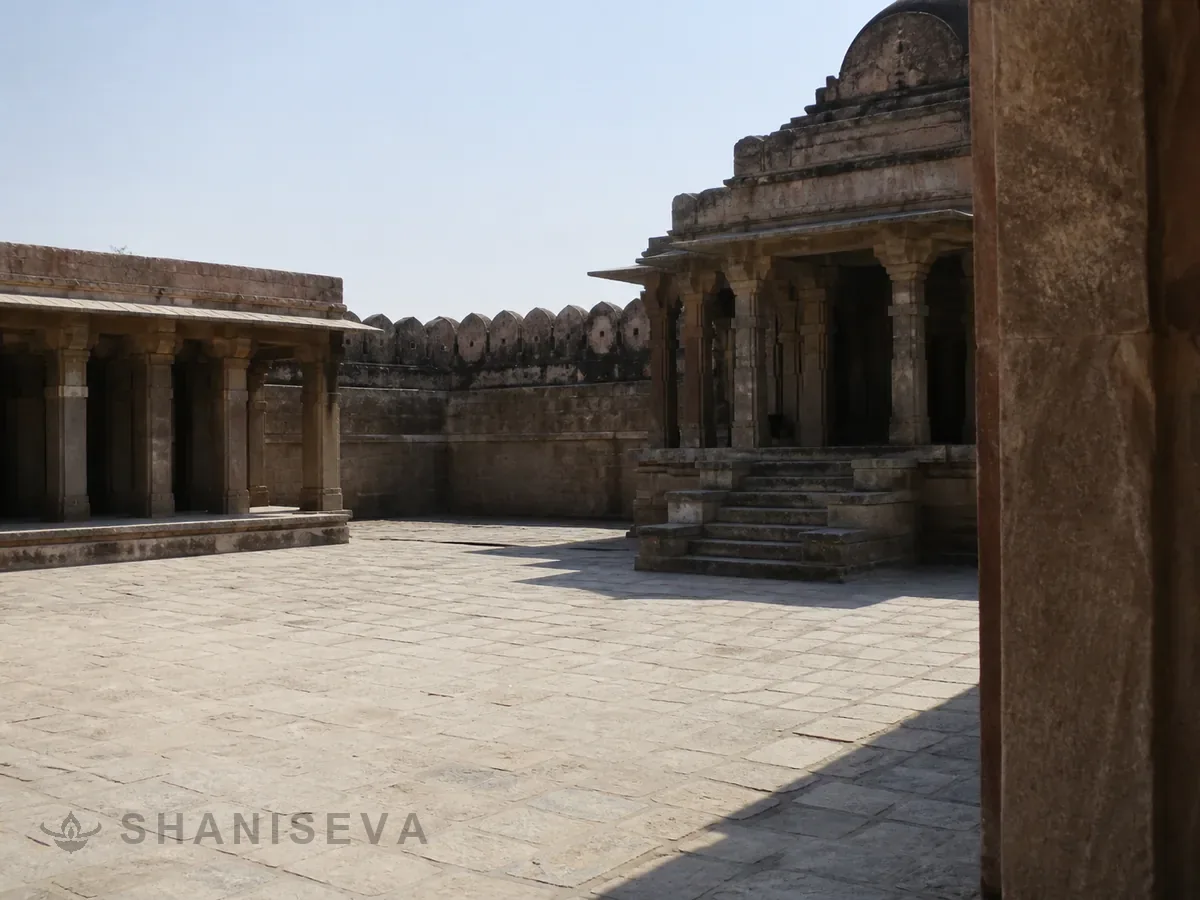
बात वहीं समाप्त हो जानी चाहिए थी। नहीं हुई, आगे जो हुआ उसके कारण, और आगे जो हुआ वह बहुत छोटी सी बात थी।
It should have ended there. It did not, because of what happened next, and what happened next was very small.
सभा में शनि देव की कथा सुनाई गई। छाया से उनका जन्म। वह पिता जिसने उनकी ओर देखने से मुख मोड़ लिया। वह पत्नी जिसने उनकी आँखों को शाप दिया। वह झुका हुआ शीश जो वे तब से लिए फिरते हैं।
They told the court the story of Shani Dev. His birth to a shadow. The father who would not look at him. The wife who cursed his eyes. The lowered head he has carried ever since.
और विक्रमादित्य हँस पड़े।
And Vikramaditya laughed.
निष्ठुरता से नहीं। यही बात इसे कहने योग्य बनाती है। वे उसी भाँति हँसे जैसे कोई सुखी पुरुष किसी और के दुर्भाग्य का वृत्तान्त सुनकर हँसता है, इससे पहले कि वह समझे कि यह कोई कहानी नहीं है, और जिस पर यह बीती है वह इसी कक्ष में खड़ा है।
Not cruelly. That is what makes it worth telling. He laughed the way a comfortable man laughs at an account of someone else's misfortune, before he has understood that it is not a story, and that the one it happened to is standing in the room.
शनि देव ने सुन लिया।
Shani Dev heard him.
और उन्होंने जो कहा, बिना स्वर ऊँचा किए कहा। तुमने मुझे मेरे लिए हुए आसन से तौला, और जिस मार्ग से मैंने उसे पाया उस पर हँसे। ठीक है। अब जानोगे कि मैं क्या हूँ।
And what he said, he said without raising his voice. You have judged me by the seat I took, and you have laughed at how I came by it. Very well. You will find out what I am.
यह कभी शाप जैसा नहीं लगता It never looks like a curse
उस रात कुछ नहीं हुआ। उस महीने कुछ नहीं हुआ।
Nothing happened that night. Nothing happened that month.
इसके विषय में सबसे पहले यही समझना है। न कोई गर्जन हुआ, न आकाश से कोई स्वर आया। वह वैसे ही आया जैसे सदा आता है, एक-एक साधारण टुकड़ा करके, और हर टुकड़ा अपने आप में समझाया जा सकता था, इसलिए मनुष्य आधा सब कुछ गँवा चुकने पर भी स्वयं से यही कहता रहता है कि यह तो बुरे दिनों का फेर है।
That is the first thing to understand about it. There was no thunder and no voice from the sky. It came the way it always comes, one ordinary piece at a time, each piece explicable on its own, so that a man can be halfway through losing everything and still be telling himself it is a run of bad luck.
सिंहासन गया। फिर उज्जैन भी गया, और वे उससे बहुत दूर पहुँचा दिए गए, ऐसे नगर में जहाँ एक भी मुख उन्हें नहीं पहचानता था।
The throne went. Then Ujjain itself went, and he was carried far from it, into a city where not one face knew his.
वे राज्यहीन राजा थे, ऐसे नगर में जिसके पास उनके लिए कोई नाम न था। तो उन्होंने वही किया जो कोई भी करता है। उन्होंने जीवन आगे बढ़ाया।
He was a king with no kingdom in a town with no name for him. So he did what anyone does. He got on with it.
वे एक व्यापारी के पास गए और एक हार खरीदा।
He went to a merchant and bought a necklace.
और उनके पीछे भित्ति पर बने चित्र में से एक हंस निकला, हार उठाया, और लुप्त हो गया।
And from a painting on the wall behind him, a swan came out of the picture, took the necklace, and was gone.
इसे स्वर में कहकर देखिए। किसी न्यायाधीश से कहकर देखिए। चित्र में से एक पक्षी निकला और उसे ले गया। शब्दों की ऐसी कोई रचना नहीं जिसमें मनुष्य यह वाक्य कहे और उस पर विश्वास किया जाए।
Try saying that aloud. Try saying it to a magistrate. A bird came out of a painting and stole it. There is no arrangement of words in which a man says that sentence and is believed.
उस नगर में चोरी का दण्ड था हाथ और पाँव।
The penalty for theft in that city was the hands and the feet.
वह मनुष्य, जिसने अपनी गाड़ी रोकी The man who stopped his cart
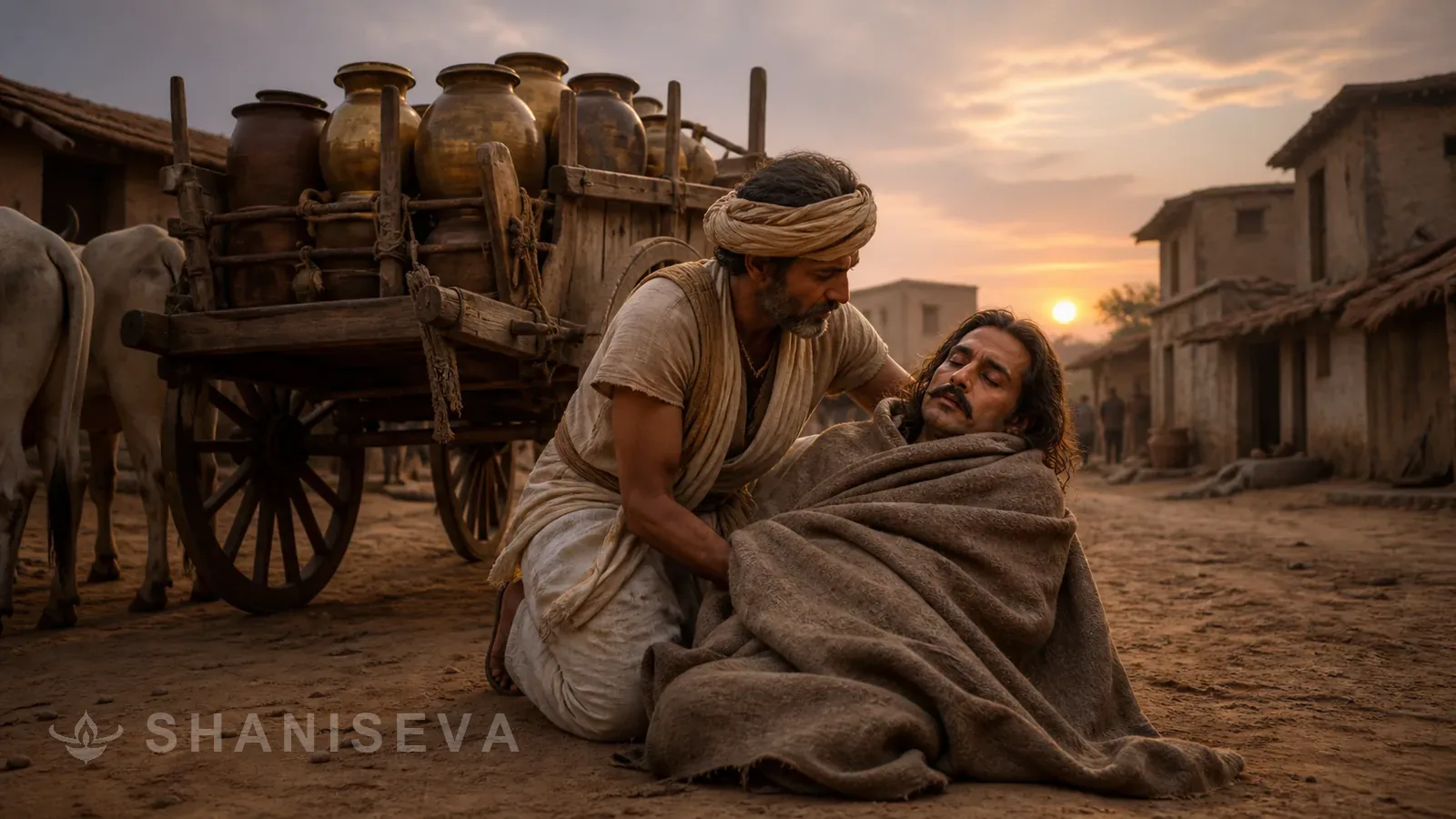
उन्होंने कलाइयों से और टखनों से काट लिए, और बात पूरी हो गई, और भीड़ अपने घर चली गई।
They took them at the wrists and at the ankles, and then it was done, and the crowd went home.
अपने युग का सबसे बड़ा राजा, वही जिसके पास नौ ग्रह आकाश से उतरकर निर्णय कराने आए थे, एक अनजान नगर के मार्ग के किनारे धूल में बैठा था, न कुछ थामने को हाथ, न वहाँ से जाने को पाँव।
The greatest king of his age, the one the nine grahas had come down out of the sky to have judge them, sat in the dust at the side of a road in a town he did not know, with no hands to hold anything and no feet to leave with.
लोग उसके पास से निकलते रहे। ऐसे मनुष्य के पास से लोग निकल ही जाते हैं। वे दुष्ट नहीं होते। बात यह होती है कि कुछ किया नहीं जा सकता और सब अपने काम में लगे हैं।
People passed him. People pass a man like that. It is not that they are wicked. It is that there is nothing to be done and everyone is busy.
और तभी एक गाड़ी रुकी।
And then a cart stopped.
एक तेली। तेल पेरने वाला, उस नगर का सबसे छोटा व्यवसाय, ऐसा मनुष्य जिसके पास कुछ नहीं था और जिसके पास ऐसे अजनबी का भार उठाने का संसार में कोई कारण नहीं था जो स्वयं को खिला भी नहीं सकता।
A teli. An oil-presser, the lowest trade in that town, a man with nothing and no reason in the world to take on the feeding of a stranger who could not feed himself.
वह उतरा। उसने उन्हें उठाया। उसने उन्हें तेल के बीच अपनी गाड़ी पर बिठाया, घर ले गया, और जीवित रखा।
He got down. He lifted him. He put him on the cart among the oil, and he took him home, and he kept him alive.
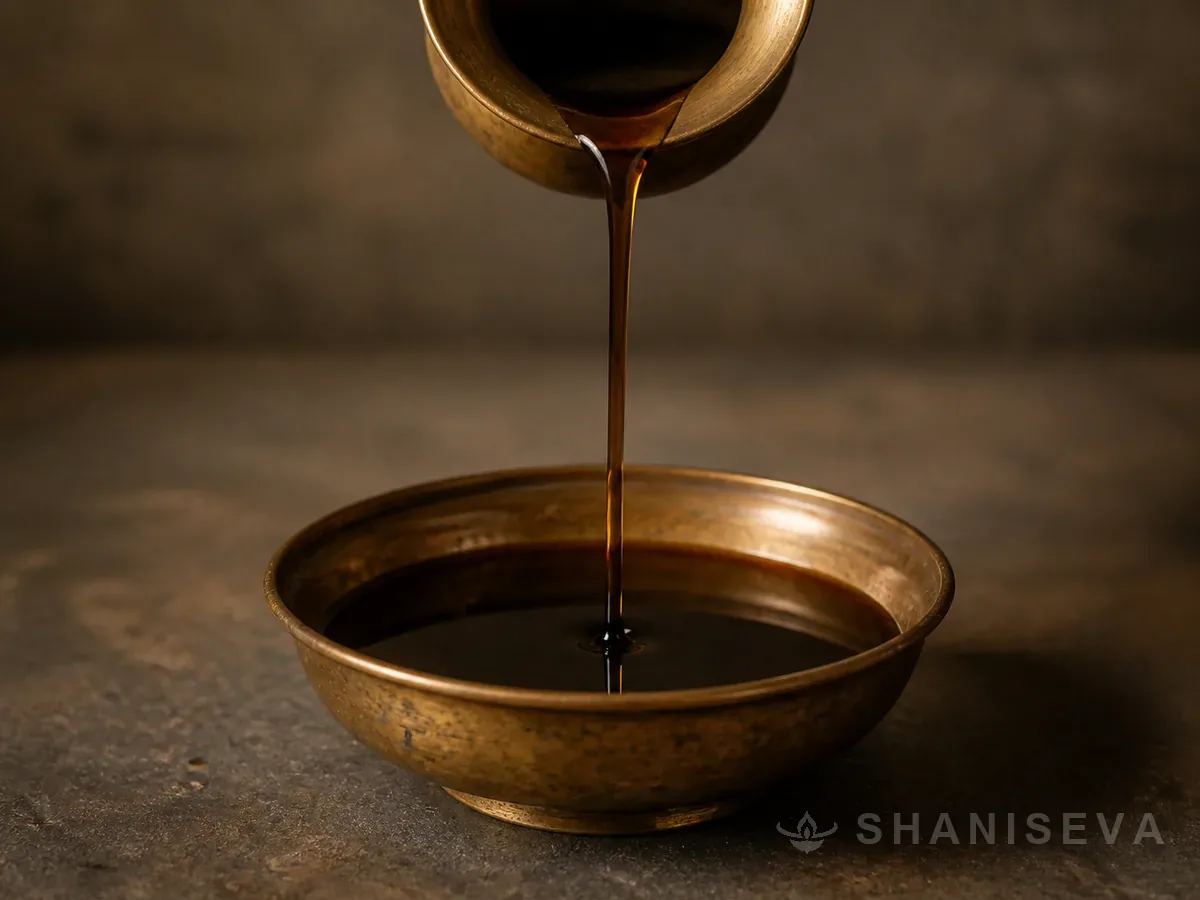
यह चित्र मन में रखिए, क्योंकि शनि देव को तेल चढ़ाने की पूरी परम्परा इसी से निकली है। किसी सौदे से नहीं। इससे कि इस कथा के सबसे निर्धन मनुष्य ने ही एकमात्र रुककर सुध ली।
Hold that picture, because the whole tradition of offering oil to Shani Dev comes out of it. Not from a bargain. From the poorest man in the story being the only one who stopped.
अन्त में उन्होंने क्या माँगा What he asked for at the end
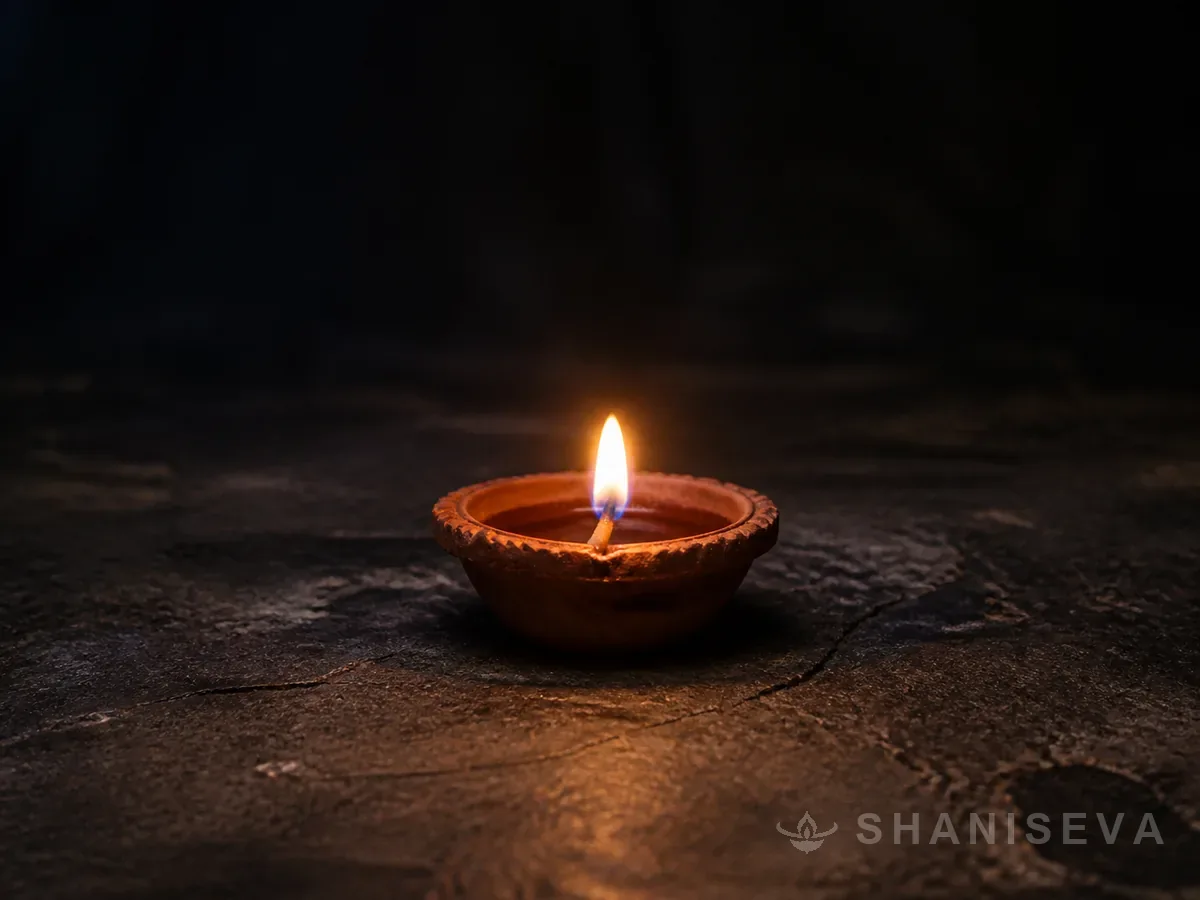
साढ़े सात वर्ष पूरे हुए, जैसे वे सदा होते हैं, और शनि देव आए और उन्हें वर देने को कहा।
Seven and a half years ran out, as they always do, and Shani Dev came and offered him a boon.
वे सब कुछ खो चुके थे। वे अपना राज्य माँग सकते थे, अपने हाथ माँग सकते थे, अपने वर्ष वापस माँग सकते थे। इनमें से कुछ भी। या सब कुछ।
He had lost everything. He could have asked for his kingdom, his hands, his years back. Any of it. All of it.
उन्होंने कहा: मैं प्रार्थना करता हूँ कि कोई स्त्री या पुरुष अपनी साढ़े साती में वैसा कष्ट न पाए जैसा मैंने पाया। मुझे यही दीजिए। कोई इससे न गुज़रे।
He said: I pray that no man or woman should ever suffer as I have suffered in their Sade Sati. Grant me that. Let nobody go through this.
उन्होंने अपने लिए कुछ नहीं माँगा। फिर वही। यह वही याचना है जो दशरथ ने अयोध्या के ऊपर आकाश में की थी, और यहाँ वह उस पुरुष ने की जिसके पास अपने लिए माँगने के कहीं अधिक कारण थे।
He asked for nothing for himself. Again. It is the same request Dasharatha made in the sky over Ayodhya, made by a man who had far more reason to ask for himself.
शनि देव ने उन्हें पूर्ववत् कर दिया। और रॉबर्ट स्वोबोदा के अनुवाद में वे वह पंक्ति कहते हैं जिसके लिए पूरी पुस्तक है: मुझे सचमुच किसी और में इसके समान परोपकार नहीं मिलता।
Shani Dev restored him. And in Robert Svoboda's translation of the Mahatmya he says the line that the whole book exists for: I am really at a loss to find comparable benevolence in anyone else.
जाने से पहले उन्होंने क्या कहा What he told him before he went
जाने से पहले शनि देव ने उनसे वह कहा जो उन्होंने उस सभा में किसी से नहीं कहा था, उस दिन जब सब उन्हें क्रम देने में लगे थे।
Before he went, Shani Dev told him what he had never told anybody at that court, on the day they were all busy ranking him.
मैं अपने लिए कुछ नहीं लेता। मैं वही देता हूँ जो अर्जित किया गया हो, और शुभ को उतनी ही ठीक-ठीक देता हूँ जितना कठोर को, और मैंने कभी एक बार भी किसी मित्र का पक्ष नहीं लिया। मैं सबसे अधिक कृपालु उन पर हूँ जो परिश्रम करते हैं, जो सत्य बोलते हैं, और जो पकड़कर नहीं रखते।
I take nothing for myself. I give what has been earned, and I give the good as exactly as I give the hard, and I have never once favoured a friend. I am kindest to the ones who work, and to the ones who tell the truth, and to the ones who do not grasp.
और मैं भी झुकाया गया हूँ। रावण से। हनुमान से।
And I have been humbled too. By Ravana. By Hanuman.
फिर उन्होंने वह बात कही जिसे मार्ग में घुटनों के बल बैठा, फिर से हाथ-पाँव पा चुका एक मनुष्य जीवन भर स्मरण रखता:
Then he said the thing that a man with hands and feet again, kneeling in the road, would remember for the rest of his life:
सृष्टि में कर्म का नियम ही सर्वोपरि है, और उससे कोई नहीं बच सकता। स्वयं शनि देव भी नहीं।
The law of karma reigns supreme in creation, and no one can escape it. Not even Shani Dev.
राजा उज्जैन लौट गए। साढ़े सात वर्ष बीत चुके थे। और उनके विषय में सबसे पहले जो कार्य स्मरण किया जाता है, वह सिंहासन और उत्सव से भी पहले यह था कि उन्होंने किसी दूर के नगर से उस तेली को बुलवाया जिसने कभी अपनी गाड़ी रोकी थी।
The king went back to Ujjain. He had been gone seven and a half years. And the first thing he is remembered for doing, before the throne and before the celebrations, was sending for an oil-presser in a distant town who had once stopped his cart.