A Shani Dosha calculator by date of birth is really four checks bundled into one name, not a single test. Sade Sati tracks Saturn moving through the 12th, 1st and 2nd signs from your natal Moon over roughly 7.5 years. Kantaka Shani and Ashtama Shani each track Saturn sitting in one specific sign, the 4th and the 8th from the Moon, for about 2.5 years apiece. Dhaiyya is simply the everyday name people use for whichever of those shorter 2.5-year windows happens to be running.
Most people who search for a Shani Dosha calculator only want the Sade Sati answer, and never find out the other three exist. That gap matters more than it sounds. A person can be told, correctly, that their Sade Sati finished years ago and still be sitting inside Ashtama Shani right now, a transit many traditional astrologers describe as sharper, if shorter, than any single phase of Sade Sati.
What "Shani Dosha" Actually Means Before You Open a Calculator

Shani Dosha is a broad folk term for any period when Saturn's position is considered testing, and a date-of-birth calculator can only ever answer the transit half of that question. There are, broadly, two different things people mean when they say "Shani Dosha." The first is a natal placement, Saturn sitting in a difficult house of your birth chart, or debilitated in Aries, or ruling a mahadasha that has not been favourable. Checking that properly needs your exact birth time, birth place and a full chart reading, not a quick calculator.
The second meaning, and the one almost every online "Shani Dosha calculator" actually checks, is transit-based. This only requires knowing your Moon sign, your Rashi, because every one of the four conditions covered in this article is defined by where Saturn currently sits relative to your natal Moon. A calculator that asks for your date of birth (sometimes with time and place for more precision) is working out your Moon sign first, then checking where Saturn is right now against that sign. That is the entire mechanism behind every Sade Sati, Kantaka Shani, Ashtama Shani or Dhaiyya tool you will find online.
It is worth saying plainly that your Moon sign is not the same as your Sun sign or your Western zodiac sign. Vedic astrology places much more weight on the Moon's position at birth, so a calculator using your Western birthday alone, without converting to a sidereal Moon sign, will not give a meaningful transit result.
The Four Transit Windows a Real Calculator Should Show You
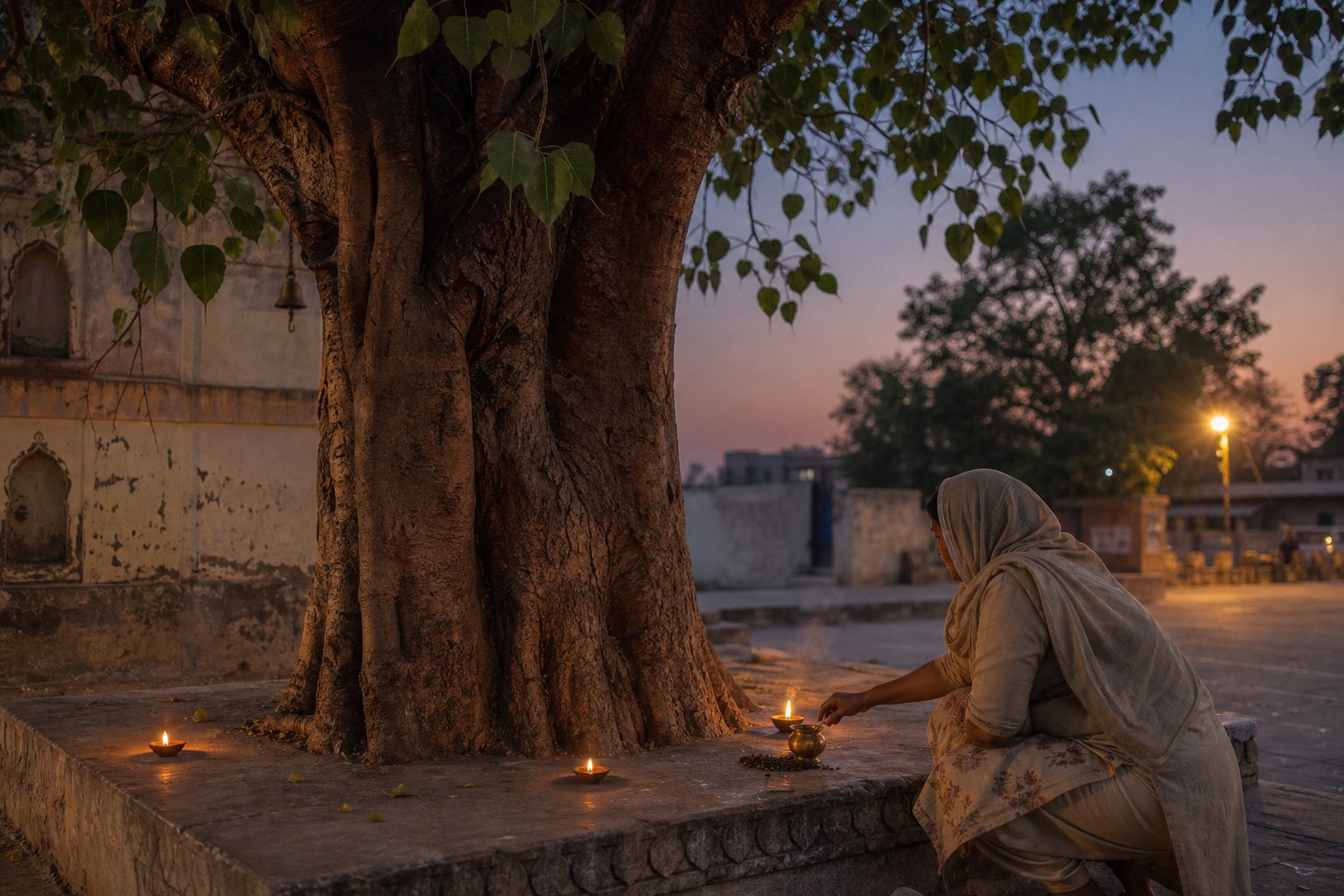
A complete Shani Dosha check covers four named transits, and each one is tied to a different house counted from the natal Moon. Sade Sati is the longest and best known, spanning three signs (12th, 1st and 2nd from the Moon) across about 7.5 years in total, moving through a Rising phase, a Peak phase, and a Setting phase as Saturn crosses each of those three signs in turn, according to Drik Panchang's Sade Sati analysis.
Kantaka Shani is Saturn transiting the 4th sign from the Moon, lasting about 2.5 years, the time Saturn typically spends moving through one zodiac sign. Ashtama Shani, sometimes also called Ardhashtama Shani, is Saturn transiting the 8th sign from the Moon, also lasting about 2.5 years. Dhaiyya is not a separate transit at all, it is the popular Hindi name ("dhaiya" meaning two and a half) for whichever of those two 2.5-year windows, Kantaka or Ashtama, is currently active, as explained in Jagannath Hora's guide to Dhaiya, Kantaka Shani and Ashtama Shani.
Here is how the four compare side by side.
| Shani Dosha Type | House Counted from Natal Moon | Typical Duration | Traditionally Viewed As |
|---|---|---|---|
| Sade Sati | 12th, 1st and 2nd (three phases in sequence) | About 7.5 years total, roughly 2.5 years per phase | The most closely watched period; the Peak (2nd) phase is generally regarded as the most testing of the three |
| Kantaka Shani | 4th | About 2.5 years | Considered milder than Sade Sati or Ashtama Shani; a persistent domestic and emotional friction rather than sudden upheaval |
| Ashtama Shani / Ardhashtama Shani | 8th | About 2.5 years | Often described as the sharpest single window of the four; short but capable of sudden, disorienting change |
| Dhaiyya | 4th or 8th (whichever is active) | About 2.5 years per instance | Called the "small panoti," a shorter and narrower patch than Sade Sati, the "big panoti" |
Two things stand out in that table. First, duration and severity do not move together, Ashtama Shani is the shortest window that still carries a heavy traditional reputation. Second, these four windows are not mutually exclusive across a lifetime. Saturn takes about 29.5 years to complete one full orbit through the zodiac, as noted on Wikipedia's overview of Sade Sati, so most people experience Sade Sati roughly once every 29 to 30 years, while Kantaka Shani and Ashtama Shani recur considerably more often within that same cycle, since a 4th-house or 8th-house transit needs a much smaller shift in Saturn's position to trigger than a full Sade Sati does.
What Actually Helps During Any of These Windows

What traditionally helps during a Shani transit is steady, repeatable practice rather than a single dramatic fix, and this is true whether the transit is Sade Sati, Kantaka Shani, Ashtama Shani or Dhaiyya. Across Shani-related tradition, the recurring recommendations are simple ones: Saturday observance, charity toward the poor and toward labourers, honesty in dealings, patience with delay, and a Shani puja performed with sincerity rather than expense.
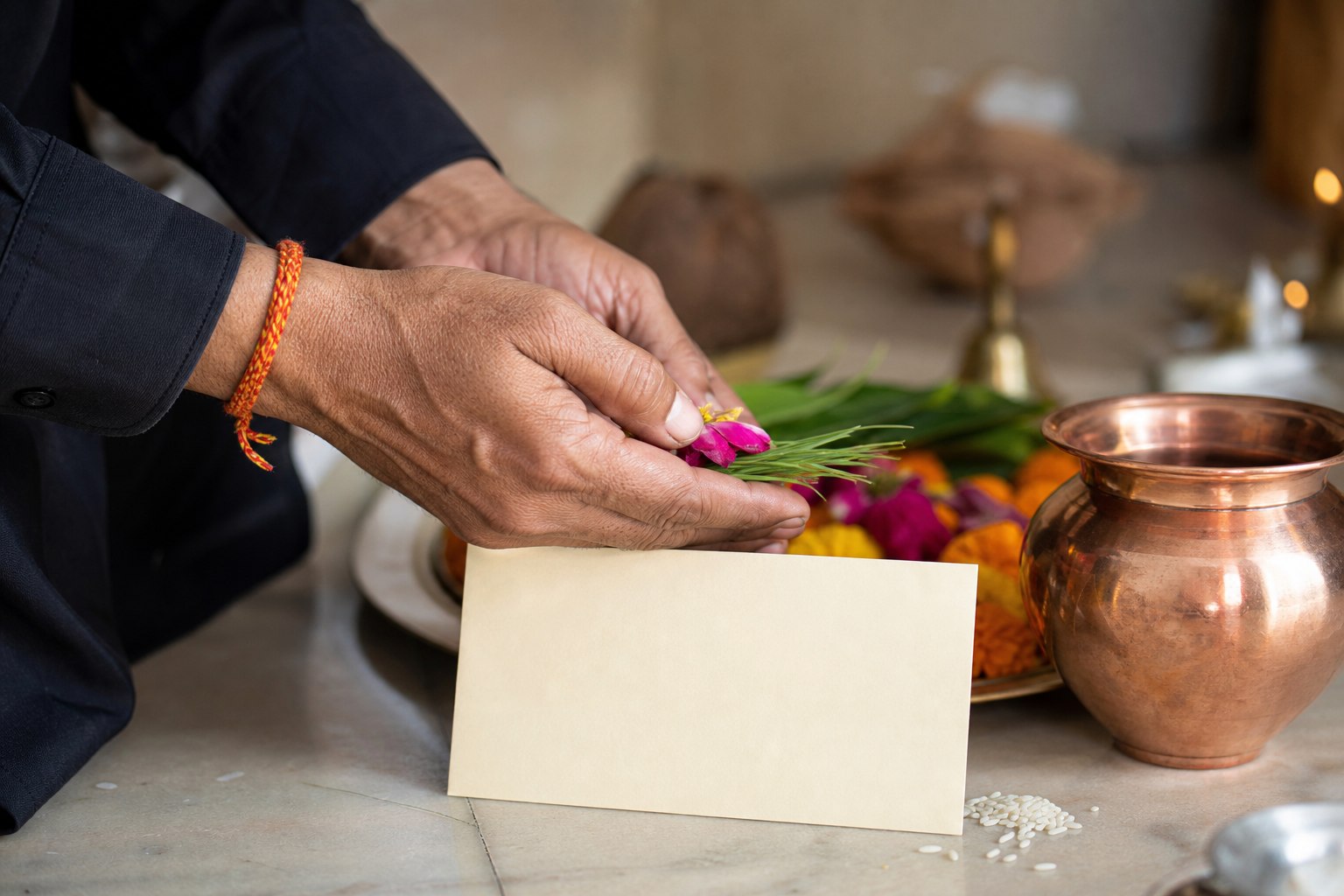
This is where a lot of people ask how a puja can be done properly without living near a Shani temple or without the time to arrange one in person. Shani Seva's approach is to run the ritual remotely. You book online, a pandit at the organisation's own centre in India performs the puja on your behalf, and your name and gotra are recited aloud as part of the Sankalp, the formal declaration of intent that opens any Vedic ritual. The actual puja includes a Til Tel Abhishek (a sesame-oil anointing considered Shani's preferred offering), Shani Mantra Jaap, and Deepdaan, a lamp offering.
None of this is presented as a cure for a difficult transit. It is a way to observe a traditional practice sincerely, with the same devotional intent as visiting a temple in person, for the many people who cannot.
If You Only Want the Sade Sati Answer, Here Is the Short Version
Sade Sati is Saturn's transit through the 12th, 1st and 2nd signs from your natal Moon, unfolding as three separate phases across about 7.5 years, and checking it accurately needs your Moon sign as the starting point. The Rising phase covers Saturn in the 12th from the Moon, generally associated with rising expenses and a restless, unsettled feeling. The Peak phase, Saturn directly over the natal Moon sign, is the one most people mean when they say they are "in the middle of Sade Sati," and is traditionally regarded as the most demanding of the three. The Setting phase, Saturn in the 2nd from the Moon, is usually described as a gradual easing, even though family and financial matters can still feel pressured during it.
If Sade Sati is the only thing you came here to check, there is no need to work through it again on this page. The Sade Sati Calculator on this site walks through all three phases in full depth, exactly what birth data the calculation needs, and how the dates are worked out sign by sign. This article exists to cover the other three conditions that a "Shani Dosha calculator" search is often actually about, alongside Sade Sati rather than instead of it.
Kantaka Shani: The 4th-House Transit From Your Moon
Kantaka Shani is what traditional astrology calls Saturn transiting the 4th sign from your natal Moon, and the name itself gives away the flavour of it, "kantaka" meaning thorn. It is not usually described as a dramatic or sudden phase. Instead it is associated with a persistent, low-grade friction around home life, family peace and a general sense of emotional steadiness, the kind of discomfort that is felt daily rather than announced by one big event.
Because the 4th house in Vedic astrology governs home, mother, property and inner emotional security, a Saturn transit through that sign from the Moon is traditionally read as unsettling exactly those areas without necessarily damaging them outright. Someone going through Kantaka Shani might notice more friction at home, a harder time relaxing, or drawn-out property and family matters, spread across roughly 2.5 years while Saturn occupies that one sign. It sits alongside Ashtama Shani as one of the two transits that together make up what people casually call Dhaiyya, and the underlying mechanics are described in the same Jagannath Hora overview of Dhaiya and Kantaka Shani referenced earlier.
Ashtama Shani, Sometimes Called Ardhashtama Shani: The 8th-House Transit
Ashtama Shani is Saturn transiting the 8th sign from your natal Moon, and of the four conditions in this comparison, it is the one traditional astrologers most often describe as disproportionately sharp for its length. The 8th house is associated in Vedic astrology with sudden change, transformation, and matters that arrive without much warning, so a 2.5-year Saturn transit through that sign from the Moon is traditionally read as a period of abrupt shifts rather than the slow-building pressure associated with Kantaka Shani.
The name "Ardhashtama," literally "half-eighth," is used for this same transit by some traditions, though it is worth knowing that terminology is not perfectly standardised. A few regional schools apply "Ardhashtama" specifically to the 4th-house transit instead, treating the 4th as the "halfway point" toward the 8th, so you may see the word used slightly differently depending on which astrologer or source you are reading. For the purposes of checking your own chart, what matters is the house, the 4th or the 8th from your Moon, rather than which of the two names gets attached to it.
Ashtama Shani is discussed at more length, alongside the broader concept of Shani Dosha itself, in Shani Dosha: Meaning and Effects, which covers what the underlying belief actually claims before any calculator enters the picture.
Dhaiyya: The "Small Panoti" People Often Mistake for a Separate Dosha
Dhaiyya is not a fifth transit alongside the other three, it is simply the common name for whichever 2.5-year window, Kantaka Shani or Ashtama Shani, happens to be active for you right now. "Dhaiya" literally means two and a half, referring to the roughly 2.5 years Saturn spends passing through any single zodiac sign. In everyday conversation, especially in North Indian households, Dhaiyya is often called the "chhoti panoti," the small difficult patch, in contrast to Sade Sati, which gets called the "badi panoti," the big one.
This naming causes genuine confusion for people checking their own chart for the first time, because a calculator might report "you are currently in Shani Dhaiyya" without specifying whether that means Kantaka Shani or Ashtama Shani underneath. The practical difference matters. If your Dhaiyya is the 4th-house Kantaka Shani, tradition points to a milder domestic friction; if it is the 8th-house Ashtama Shani, tradition points to something sharper and more sudden. A calculator result that only says "Dhaiyya" without naming which house is involved is giving you half the answer.
Because Kantaka Shani and Ashtama Shani each require a much smaller Saturn movement to trigger than the full three-sign Sade Sati sequence, most people experience some form of Dhaiyya considerably more often across a lifetime than they experience Sade Sati. Background on how Sade Sati itself is defined, for anyone comparing the two, is covered separately in Sade Sati: Meaning.
Why a Calculator Result Should Never Become a Reason for Fear
A Shani Dosha calculator result, whichever of the four transits it points to, is meant to inform a period of steadier practice, not to frighten anyone into an expensive purchase. This site takes a deliberately skeptical view of anyone who pairs a dosha reading with pressure toward one specific costly remedy, sold as the only cure, because that pattern has more to do with selling fear than with any consistent astrological tradition.
Devotion does not require a particular gemstone, a specific temple, or a large sum of money to be genuine. Someone reciting the Shani Mantra quietly at home on a Saturday evening is not doing less than someone who travels to a well-known Shani temple, and the article on whether you need to visit a Shani temple makes that same point in more detail. Rituals, at their most useful, build discipline, patience and a habit of reflection. They are not a guarantee against difficulty, and no honest tradition claims otherwise.
If a Shani Dosha calculator shows you are in Sade Sati, Kantaka Shani, Ashtama Shani or Dhaiyya, treat it the way you would treat a seasonal reminder, a prompt to be a little more deliberate, a little more patient, and a little more consistent with whatever practice already feels meaningful to you. For readers who want to go deeper on specific practices once they know their phase, this site also covers the Shani Puja Vidhi step by step, common Shani Dosha remedies, and what to keep in mind about wearing black on Saturday, one of the smaller, low-cost observances people ask about most.
Conclusion
A Shani Dosha calculator covers four distinct transits from your natal Moon: Sade Sati across the 12th, 1st and 2nd signs over about 7.5 years, Kantaka Shani in the 4th sign, Ashtama Shani (or Ardhashtama Shani) in the 8th sign, and Dhaiyya, the everyday name for whichever 2.5-year window is active. Duration and traditional severity do not track each other, Ashtama Shani is the shortest of the four yet often described as the sharpest. Checking any of them starts with your Moon sign, not your Western birthday. Whichever phase a calculator points to, the traditional response has always been steady, low-cost practice, a Saturday observance, patience, honest conduct, and a sincere puja, rather than fear or an expensive single fix.