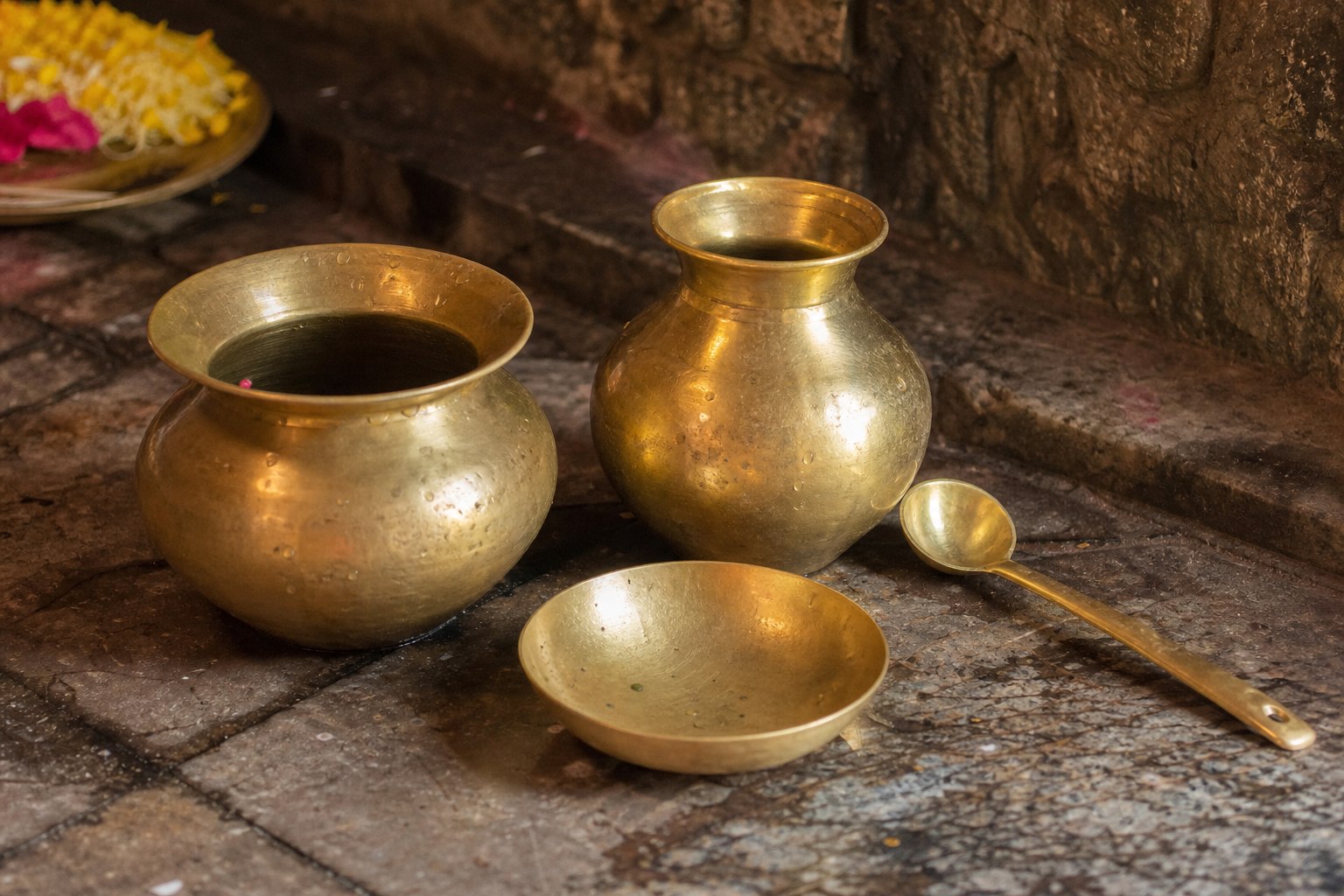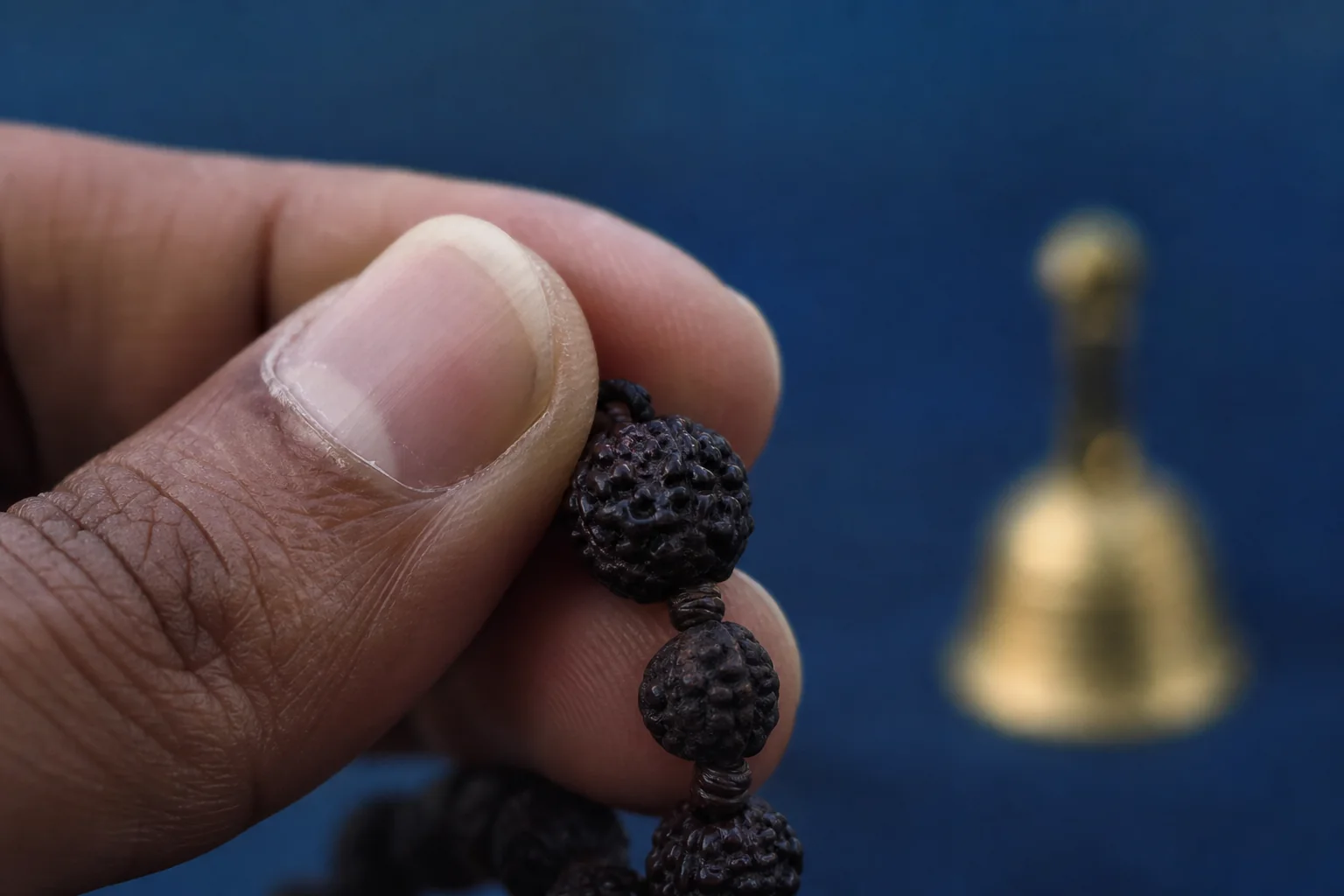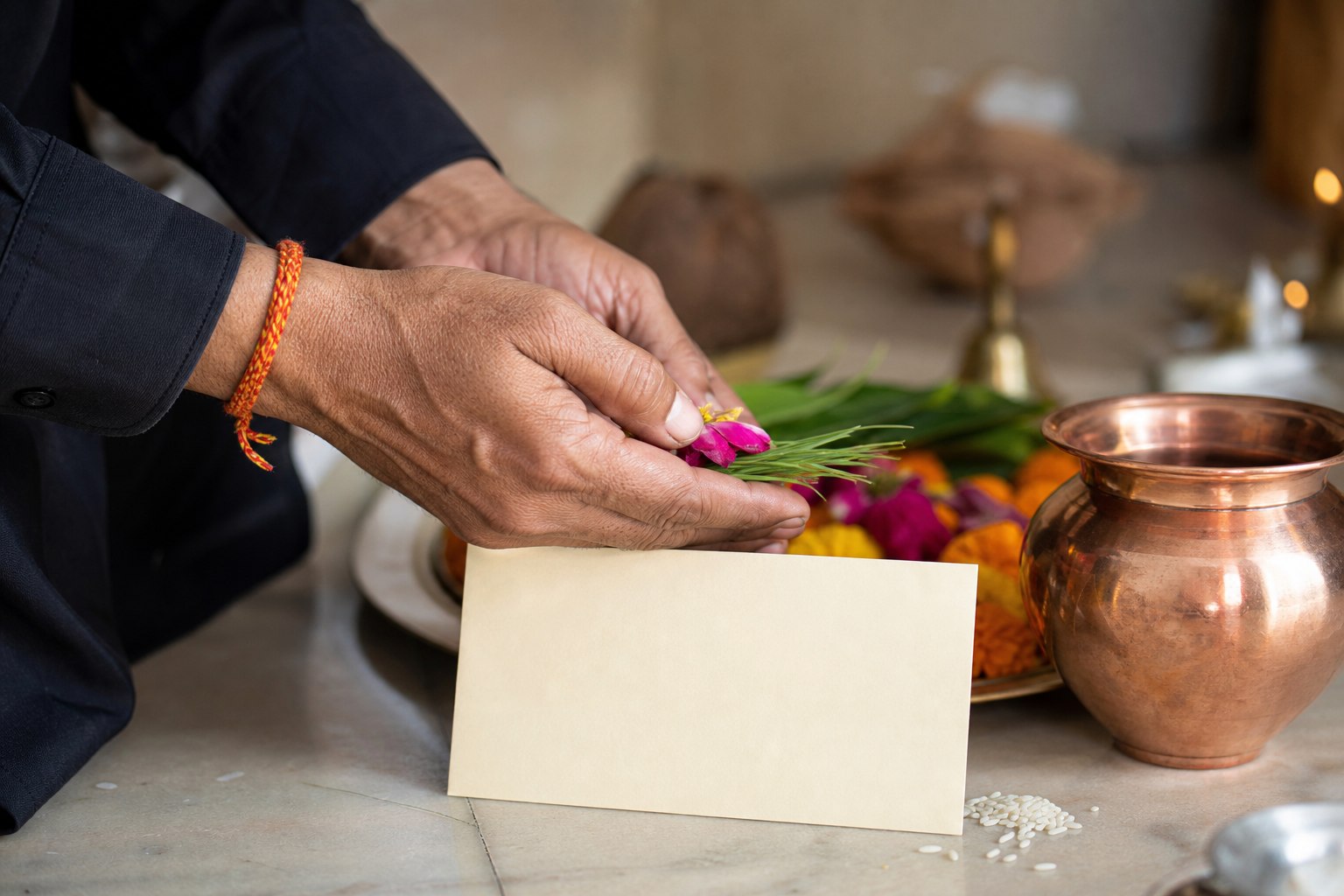
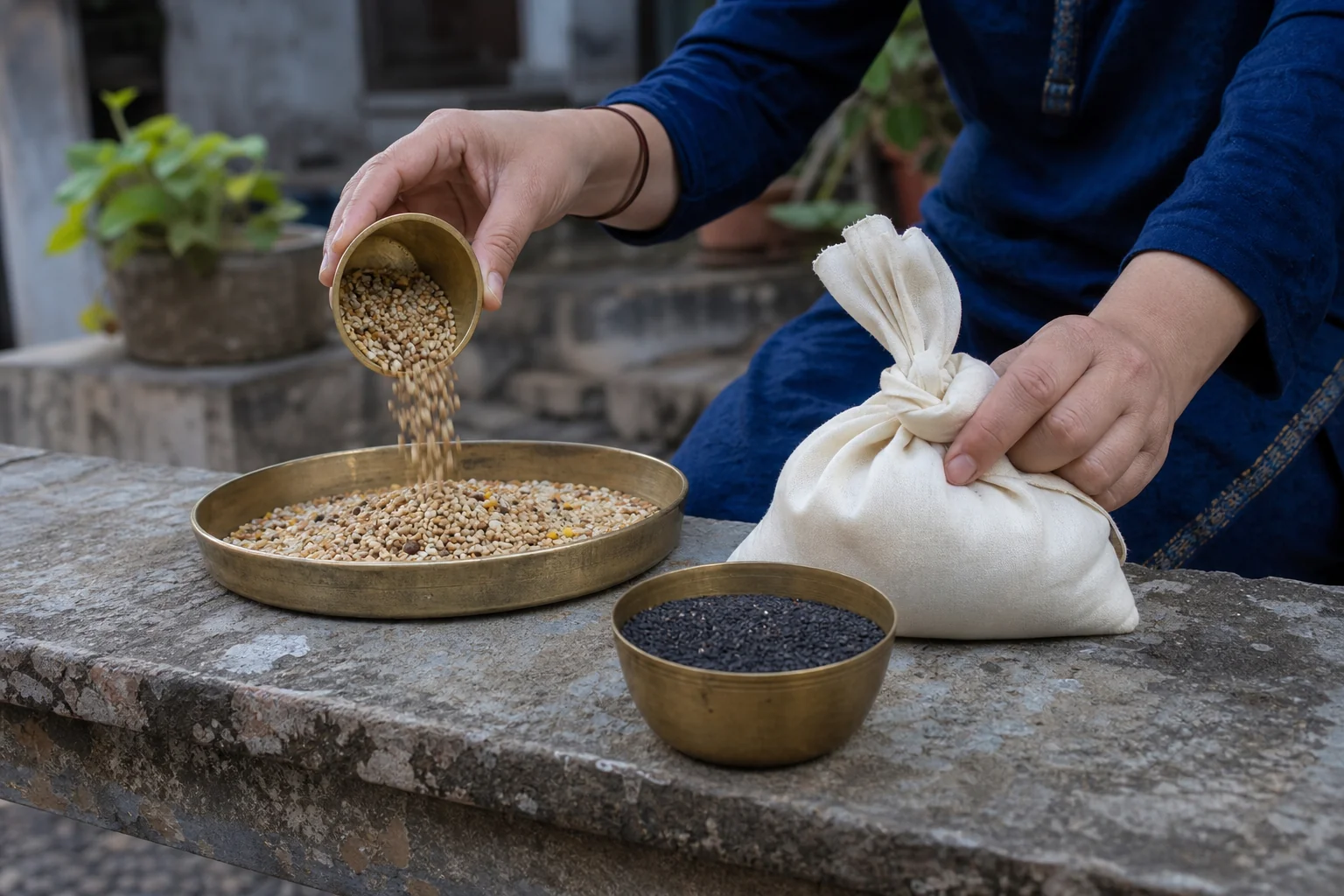
Across nearly every branch of Shani Dosha, the remedies that keep reappearing are the same handful. Til Tel Abhishek, sesame oil offered to Shani Dev, the mantra Om Sham Shanaishcharaya Namah recited on a Saturday, a lit lamp at dusk, and charity involving black sesame, mustard oil, iron or a dark cloth. What actually changes from person to person is not this shortlist so much as which Shani Dosha is at play, since Sade Sati, Kantaka Shani, Ashtama Shani and Dhaiyya are four separate Saturn transits with different lengths and different traditional concerns attached to them.
That distinction matters more than most articles admit. Treat every Saturn-related worry as one giant, frightening dosha and you either over-remedy a mild 2.5-year house transit or under-prepare for something like Ashtama Shani, which many astrologers discuss with more caution because of its association with sudden change. The honest starting point is naming which transit you actually have, then matching an unhurried, proportionate response to it, rather than reaching for whatever remedy is being sold as the one expensive cure.
What Counts as Shani Dosha, and Why the Remedies Are Not All the Same

Shani Dosha is an umbrella phrase, not a single diagnosis, and it covers at least four distinct Saturn transits measured from your natal Moon sign. Sade Sati is the best known of these, a roughly seven-and-a-half-year cycle across the sign before your Moon, your Moon sign itself, and the sign after it. Kantaka Shani, Ashtama Shani and Dhaiyya are shorter, sharper transits that get far less attention in English-language astrology writing but come up constantly in Hindi content and family conversation.
According to Wikipedia's overview of Sade Sati, the cycle is traditionally described in three stages, an early adjustment phase, a demanding middle phase while Saturn crosses the Moon sign itself, and a consolidating final phase as Saturn moves away. Dhaiyya, sometimes written Dhaiya or called Small Panoti, refers to a shorter 2.5-year transit through either the fourth or eighth house from the Moon, the same source notes, and is generally considered less prolonged than Sade Sati even when it feels acute while it lasts.
Here is how the four terms compare when you line them up side by side:
| Term | Position from natal Moon | Typical length | What tradition associates it with |
|---|---|---|---|
| Sade Sati | 12th, 1st and 2nd houses (three signs around the Moon) | About 7.5 years, in three phases | Gradual, cumulative pressure on responsibility and endurance |
| Dhaiyya (Small Panoti) | 4th or 8th house | About 2.5 years | A shorter, more concentrated version of Sade Sati's themes |
| Kantaka Shani | 1st, 4th, 8th or 10th house (from Moon, Lagna or Arudha Lagna, depending on the school) | About 2.5 years per house | Disturbance to home life, self-image or career footing |
| Ashtama Shani | 8th house specifically | About 2.5 years | Sudden change, health caution, and transformation |
Notice that Ashtama Shani sits inside the broader Kantaka Shani category. It gets its own name and its own reputation because the 8th house is traditionally linked with transformation and the unexpected, so astrologers tend to single it out rather than fold it quietly into the general Kantaka Shani discussion. If you want the fuller explanation of what each of these terms means astrologically and how they are traditionally interpreted, Shani Dosha: Meaning and Effects covers that ground in more depth. This article stays focused on what people actually do in response.
The Remedies Almost Every Tradition Agrees On
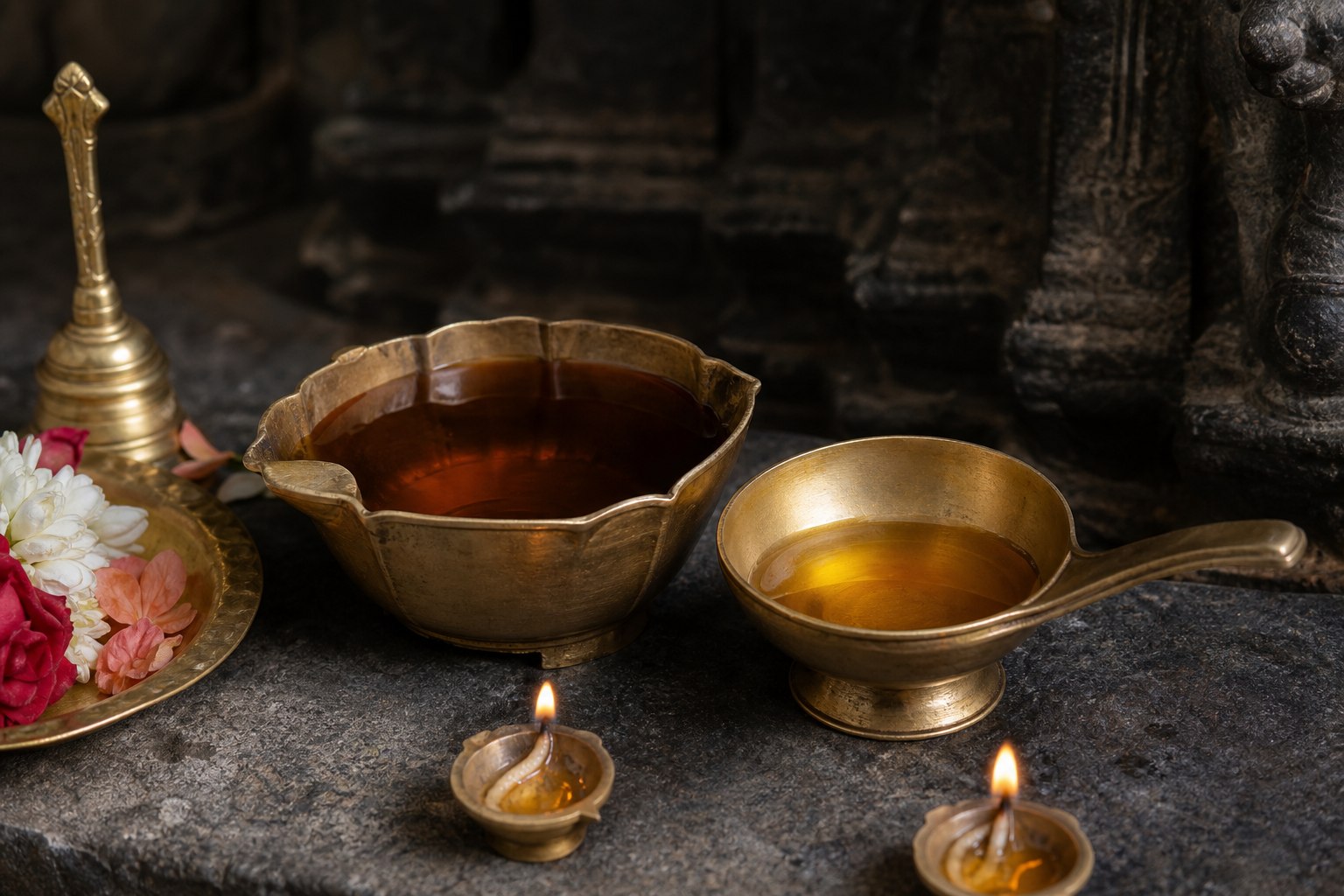
Regardless of which Shani Dosha someone is dealing with, the same core set of remedies shows up again and again across regional and family traditions. None of them require a large sum of money, and most can be done at home with items already found in an Indian kitchen or a local shop.
- Til Tel Abhishek. Black sesame seeds mixed with mustard or sesame oil are offered to Shani Dev, most often on a Saturday. One popular story, retold on Hindu Blog, holds that Shani Dev told Hanuman that anyone who offered him til ka tel would be spared the worst of his difficult placements, which is one reason this single ritual has outlasted almost every other Shani custom.
- Shani Mantra Jaap. Reciting Om Sham Shanaishcharaya Namah, traditionally 108 times using a mala, is one of the most widely taught remedies, usually done on Saturday mornings or evenings.
- Deepdaan. Lighting a mustard or sesame oil lamp, either at home, under a peepal tree, or at a temple, is treated as a simple but sincere offering in almost every regional tradition.
- Saturday charity. Donating black urad dal, mustard oil, iron items, black cloth or footwear to someone in genuine need is repeatedly described as more meaningful than an expensive personal purchase.
- Hanuman worship. Reciting the Hanuman Chalisa is widely taught alongside Shani remedies, since Hanuman is traditionally associated with protection from Shani's harsher effects.
- A Saturday fast or simplified diet, avoiding alcohol and non-vegetarian food on the day, which some traditions treat as a way of keeping the practice disciplined rather than ceremonial only.
None of these six items is exclusive to one dosha. They form the common core that most Shani Dosha remedies, whatever the specific transit, are built around. For the step-by-step version of how a full puja sequence uses these elements, Shani Puja Vidhi walks through the order in more detail, and the Shani puja mantra explained breaks down what the Sanskrit actually means for anyone reciting it without a translator at hand.
How a Remote Shani Puja Actually Works, If You Cannot Get to a Temple

Not everyone can get to a Shani temple on a Saturday, and distance, health, work, or simply not living in India are all ordinary reasons, not a failure of devotion. Shani Seva's remote Shani puja is built around that reality. You register the devotee's name and gotra online, and a pandit at the company's own centre in India performs the puja in person on your behalf, reciting that name and gotra aloud during the Sankalp rather than treating it as a generic group ritual.
Sade Sati and Dhaiyya: The Time-Based Doshas
Sade Sati and Dhaiyya are grouped together here because both are defined purely by how long Saturn stays in a house relative to your Moon, not by any single dramatic event. Sade Sati's three phases stretch across roughly 7.5 years, while Dhaiyya compresses a similar set of themes into about 2.5 years in either the 4th or 8th house from the Moon.
Because Sade Sati already has its own detailed article on this site, with the specific remedies suited to each of its three phases, we will not repeat that ground here. If Sade Sati is the transit you are actually dealing with, Sade Sati Remedies covers phase-by-phase practices in full, and Sade Sati Meaning explains how the cycle is calculated if you are still unsure whether you are in it. A Sade Sati calculator can help you check the dates, though it needs an accurate birth time and place to be worth trusting.
Dhaiyya's remedies lean on the same core list, Til Tel Abhishek, mantra jaap, Deepdaan and Saturday charity, applied with a bit more attention during the specific 2.5-year window. Because the transit is shorter, many astrologers suggest treating it as a defined season rather than a permanent state, something to observe through steadily rather than react to with alarm.
Kantaka Shani: When Saturn Unsettles Home and Ground
Kantaka Shani means "thorn Saturn," and the name describes the feeling more than a fixed event. Some traditions, including the framework described by Jagannath Hora, define Kantaka Shani specifically as Saturn's transit through the fourth house from the Moon, calling it a thorn transit because of the disturbance it can bring to domestic comfort, emotional footing and a sense of being settled. Other schools extend the same label to the 1st, 8th and 10th houses as well, counted from the Moon, the Lagna, or the Arudha Lagna depending on the text being followed.
The remedies suggested for Kantaka Shani rarely differ from the general Shani list, but the emphasis often shifts toward home and stability. Many astrologers suggest keeping household maintenance current during this window, being deliberate about major domestic decisions, and treating small frictions at home with more patience than usual rather than assuming every disagreement is significant. Alongside the standard Saturday practices, some families also recite the Hanuman Chalisa specifically in the evening, when the day's Kantaka Shani effects are considered to be most active in this tradition.
Ashtama Shani: The Transit People Worry About Most
Ashtama Shani means Saturn's transit through the 8th house from the natal Moon, and it is treated with more caution than the other short transits because the 8th house is traditionally linked with sudden change, endings and transformation. It lasts around 2.5 years, the same length as any other single-house Kantaka Shani transit, but its particular house placement is why it earns a name and a reputation of its own rather than disappearing into the general Kantaka Shani discussion.
The remedies remain the same core list, but the practical advice attached to Ashtama Shani often adds two sensible, non-astrological habits: keeping up with routine health checks, since the 8th house is associated with sudden physical events in this tradition, and keeping some financial buffer rather than assuming income will stay perfectly steady. Neither of these is a mystical remedy. They are ordinary precautions that happen to be reinforced by the tradition's own framing of what an 8th-house transit tends to test. Whether or not someone follows the astrology at all, both habits hold up well on their own merits.
Gemstones, Rings and the "One Expensive Cure" Trap
A blue sapphire, or Neelam, and a Shani ring are the two items most often pushed as the definitive answer to any Shani Dosha, and this is exactly where devotees should slow down. Neither item is required for sincere Shani worship, and no honest tradition claims that wearing a stone or a ring guarantees a specific outcome, removes every obstacle, or works faster than the simple remedies above.
If a gemstone genuinely interests you as part of your devotional practice, Neelam Blue Sapphire Benefits walks through what tradition says and what to check before buying, including why an independent gem lab certificate matters more than a seller's promise. The same caution applies to rings, covered in Shani Ring Benefits. Be openly sceptical of anyone who pairs a frightening prediction with a single expensive item as the only cure. That combination, fear plus a costly product, is a sales pattern, not a devotional one, and it has nothing to do with what Til Tel Abhishek, a Saturday lamp or an honest day's conduct have offered devotees for generations at little or no cost.
What Matters More Than Any Single Remedy
Every tradition cited above eventually arrives at the same point: character outlasts ritual. Shani Dev is associated with karma, discipline and fairness, and the remedies exist to support those qualities, not to replace them. A Til Tel Abhishek performed sincerely alongside dishonest dealings is unlikely to mean much in any tradition worth taking seriously.
Punctuality, honesty in small dealings, patience with people who have less power than you, and consistent effort are described in Hindu tradition as the things that actually please Shani Dev, more than any single object or offering. How to Please Shani Dev develops this idea further, and if a family custom like wearing black on Saturday is part of your practice, it works best as a quiet personal reminder of these values rather than a rule enforced through worry. Devotion here is available to everyone regardless of income, location or access to a temple. What a lamp, a mantra and an honest day's work have in common is that none of them cost more than a person can afford, and none of them depend on where you live.
Conclusion
Shani Dosha remedies are not one fixed list applied the same way to everyone. Sade Sati asks for patience across 7.5 years in three phases, Dhaiyya compresses similar themes into 2.5 years, Kantaka Shani asks extra attention toward home and stability, and Ashtama Shani adds ordinary caution around health and finances during its 8th-house transit. Across all four, the same core practices reappear: Til Tel Abhishek, Shani Mantra Jaap, Deepdaan and Saturday charity, whether performed at home, at a temple, or through a transparent remote seva. Gemstones and rings remain optional, never a substitute for honesty, patience and consistent effort. The tradition itself, read carefully, has never demanded fear or an expensive single cure. It has asked for discipline, fairness and sincerity, offered steadily and within whatever means a person actually has.