In Hindu tradition, what pleases Shani Dev has far less to do with objects and far more to do with conduct: honesty, punctuality, humility, charity, and how you treat people who work with their hands. Saturday prayer, a lit lamp, and traditional offerings support this practice, but they were never meant to replace it. A person who is unfair in business on Monday and lights a diya on Saturday has not really grasped what the tradition is asking for. This is a matter of belief and lived custom, not a formula that guarantees a smoother week ahead.
The confusion is easy to understand, because Shani Dev gets talked about more than almost any other graha, and usually in the language of fear. Sade Sati warnings, dosha diagnoses and dramatic predictions travel faster online than a quiet point about character. Yet look at what the tradition itself actually says pleases him, and the picture changes considerably. He is described less as a deity who can be bribed out of a bad mood, and more as a strict, impartial accountant who eventually rewards a well lived life.
What Actually Pleases Shani Dev, According to Tradition

According to Hindu tradition, Shani Dev responds to a person's actions rather than to any single object placed in front of him. He is one of the Navagraha, the nine planetary deities of Vedic astrology, and is traditionally understood as the administrator of karma, the one who delivers the results a person's own deeds have already earned (Wikipedia). That framing matters, because it turns propitiation into something closer to honest accounting than bribery.
Multiple devotional sources make the same point in plainer language: he is drawn to people who are hardworking, disciplined and honest, and an honest person has little reason to fear him (Boldsky). That single idea underlies most of what follows here. The lamp and the sesame oil are traditional supports for a devotional life. The devotional life itself is the honesty, the fairness and the discipline. Anyone curious about how a difficult chart placement gets described in astrology can read our explanation of Shani Dosha and its traditional effects, which covers the same ground from the astrological side.
Honesty and Fair Dealing Matter More Than Any Object You Own
Honesty is traditionally described as the quality Shani Dev responds to first, ahead of any ritual detail. That includes the obvious things: not cheating a customer, not fudging a weight or a measurement, not taking credit for someone else's work. It also includes the quieter things, repaying a loan you took from a friend, correcting a mistake even when nobody noticed it, and not dressing up a bad situation to look better than it is.
None of this needs a temple, a priest or a purchase. A shopkeeper who gives correct change, a contractor who quotes an honest price, an employee who does not inflate an expense claim: these are, in traditional terms, closer to pleasing Shani Dev than someone who performs an elaborate puja while still cutting corners everywhere else. Tradition treats the two as entirely separate categories, not as substitutes for each other.
If You Want a Pandit to Perform the Puja in Your Name
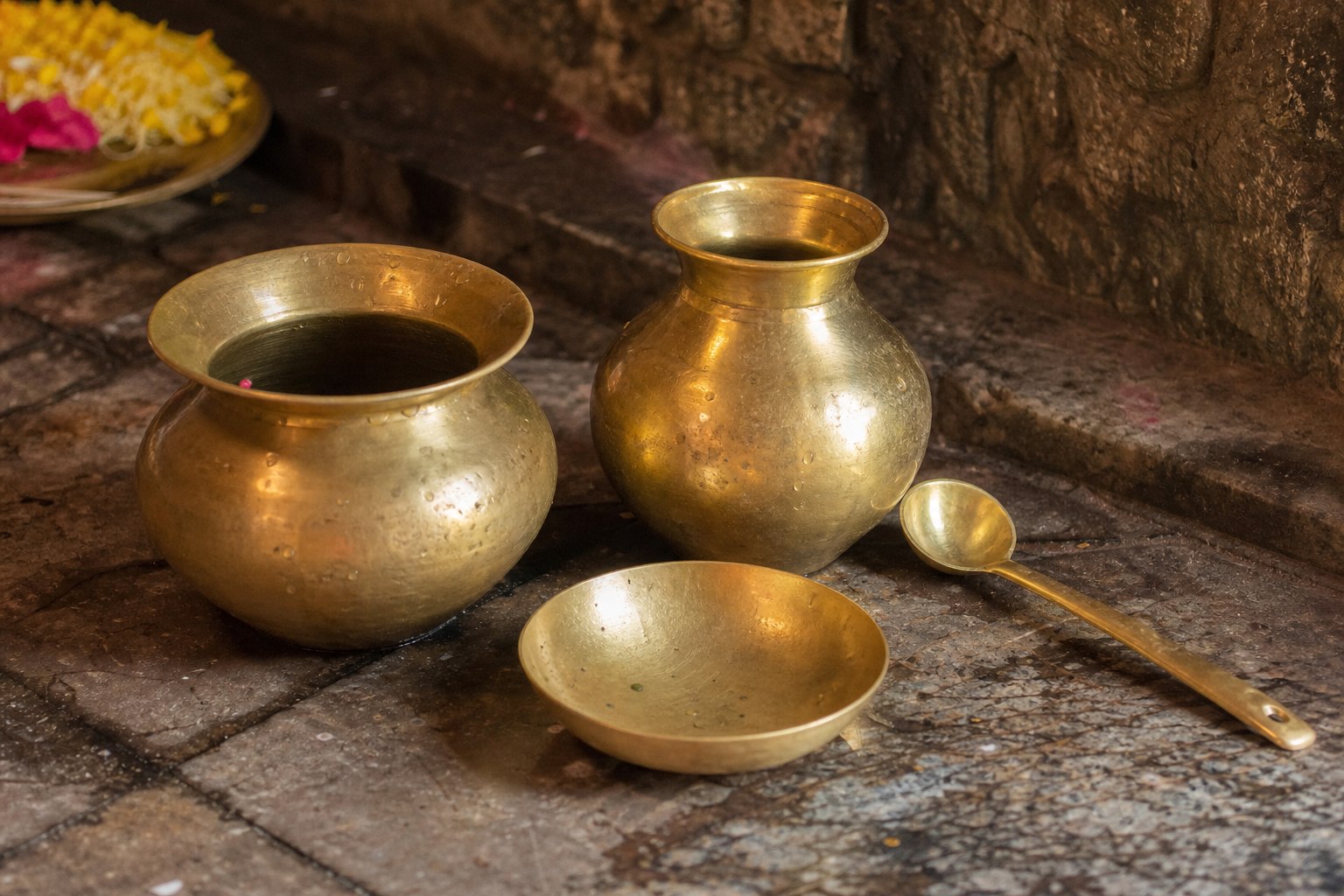
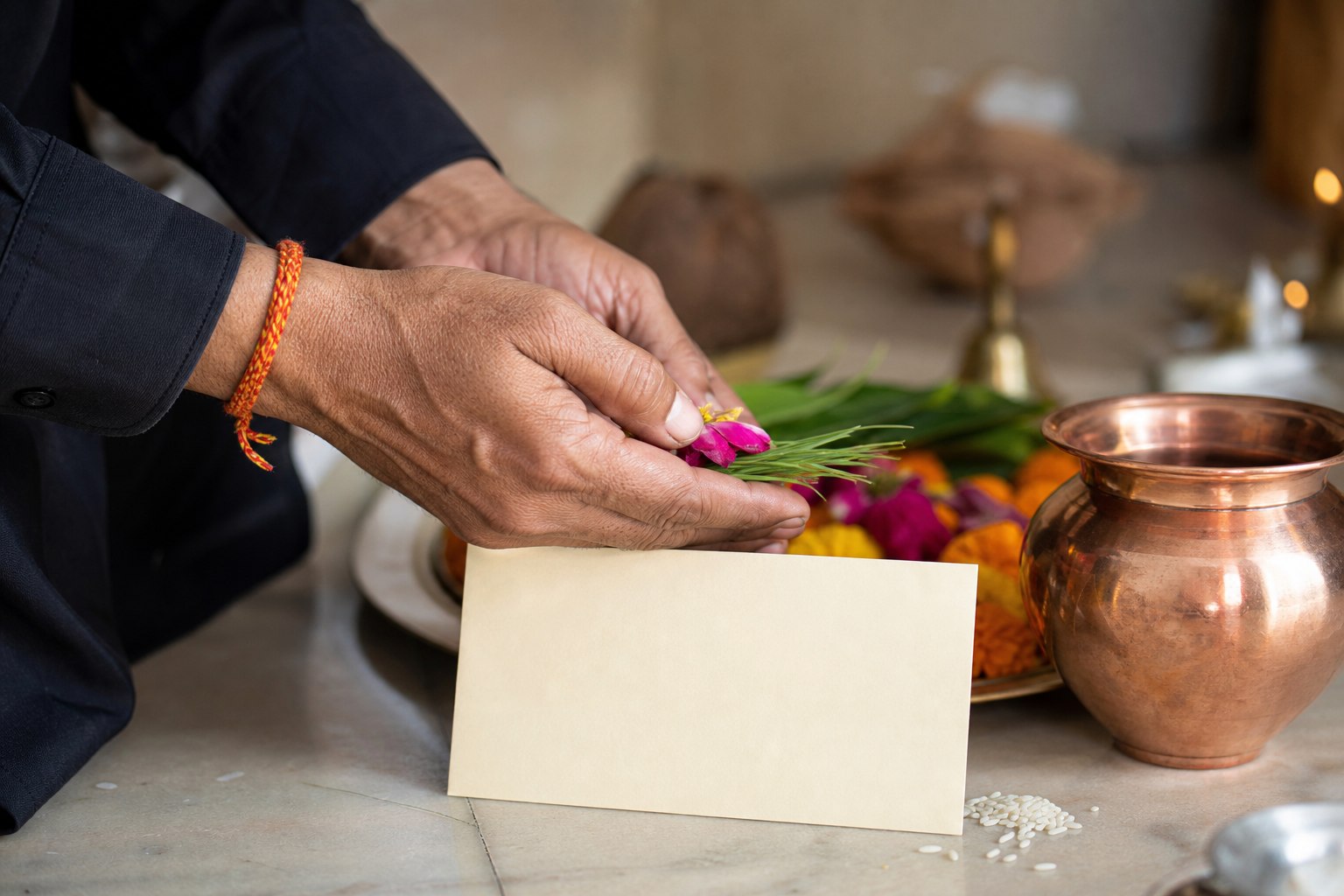
Plenty of people want both, the daily discipline and a properly performed Shani puja, carried out by someone trained to do it, on a day that suits the calendar rather than a travel schedule. That is the gap a remote seva is built to close. With Shani Seva, you book online, a pandit at the organisation's own centre in India performs the puja in person, and your name and gotra are recited aloud as part of the Sankalp. The core elements actually carried out are Til Tel Abhishek, a sesame-oil anointing, Shani Mantra Jaap, Deepdaan, a lamp offering, and the Sankalp with gotra recitation.
Punctuality and Keeping Your Word
Punctuality is treated as a Shani virtue because Shani himself is associated with time, delay and the slow, deliberate pace at which consequences arrive. Someone who is chronically late, who agrees to a deadline and then ignores it, or who leaves people waiting without explanation is, in traditional terms, working against the very quality Shani is said to reward.
This shows up in small, checkable ways rather than grand gestures. Turning up on time for an appointment. Meeting a deadline you set yourself, not just one imposed by someone chasing you. Telling someone honestly that you will be late, rather than leaving them to wonder. None of these require faith to practise, which is rather the point. Tradition treats them as devotional in themselves, not merely as good manners.
Humility Toward Workers, Servants and Elders
How a person treats someone with less power over them is treated, in this tradition, as a direct measure of character, and by extension, of whether they are living in a way that pleases Shani Dev. That includes domestic staff, delivery riders, junior colleagues, daily-wage labourers, and anyone whose job puts them in a position to be spoken down to.
Concretely, this means paying a worker on the day agreed, not the day that happens to be convenient. It means speaking to household help or a driver with the same courtesy shown to a guest. It means listening to an elder's advice even when you plan to do something different, rather than dismissing it outright. Several devotional retellings of Shani's own story describe him as someone who earned his position through discipline and hardship rather than inheriting it, which is likely why humility toward people doing hard, visible work is treated as especially significant.
Charity Without an Audience
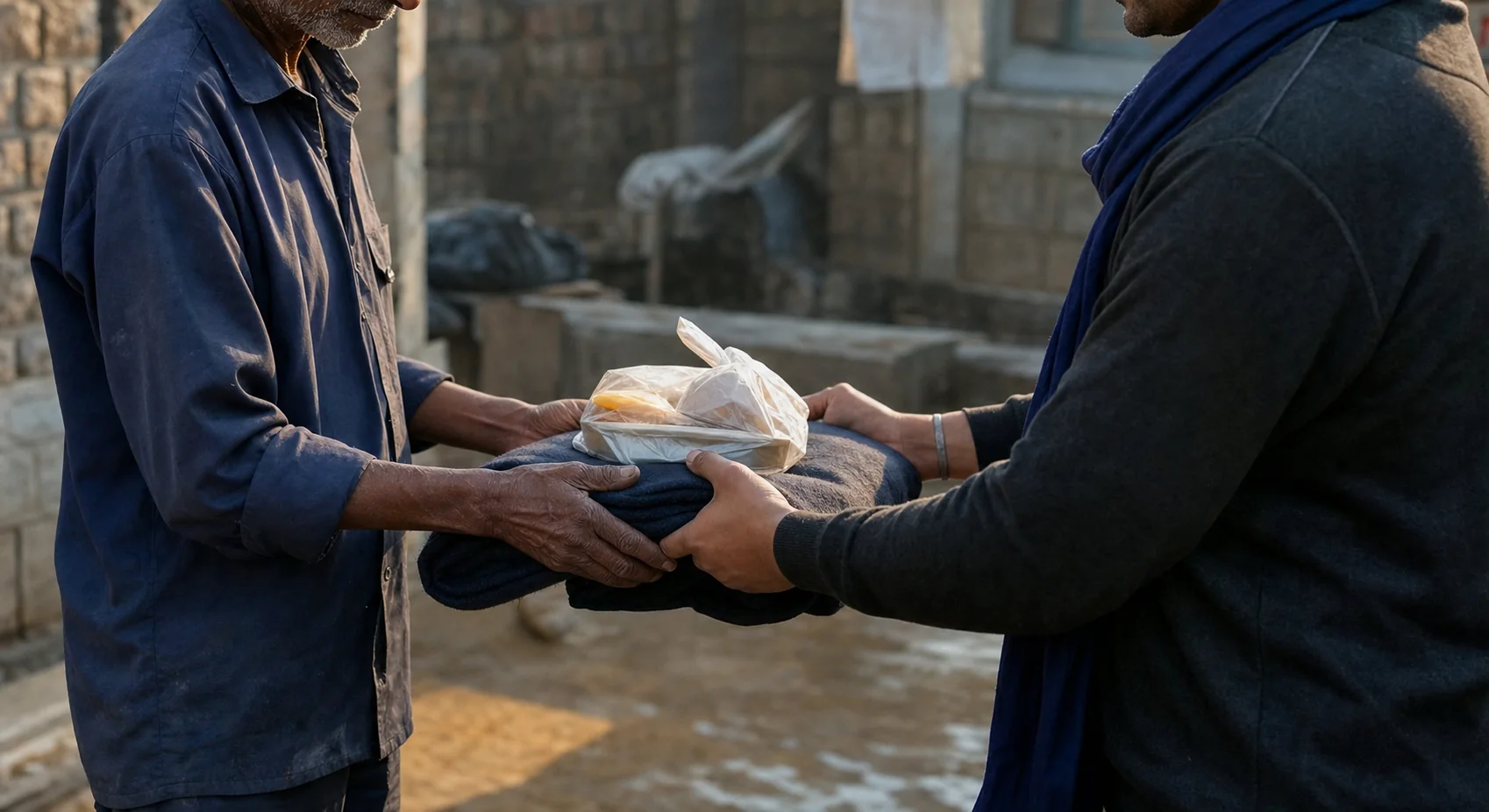
Charity is one of the oldest and most consistently mentioned ways of honouring Shani Dev, and tradition is fairly specific that it should not be performed for recognition. Quiet giving, the kind nobody photographs, is treated as more meaningful than a large donation made publicly.
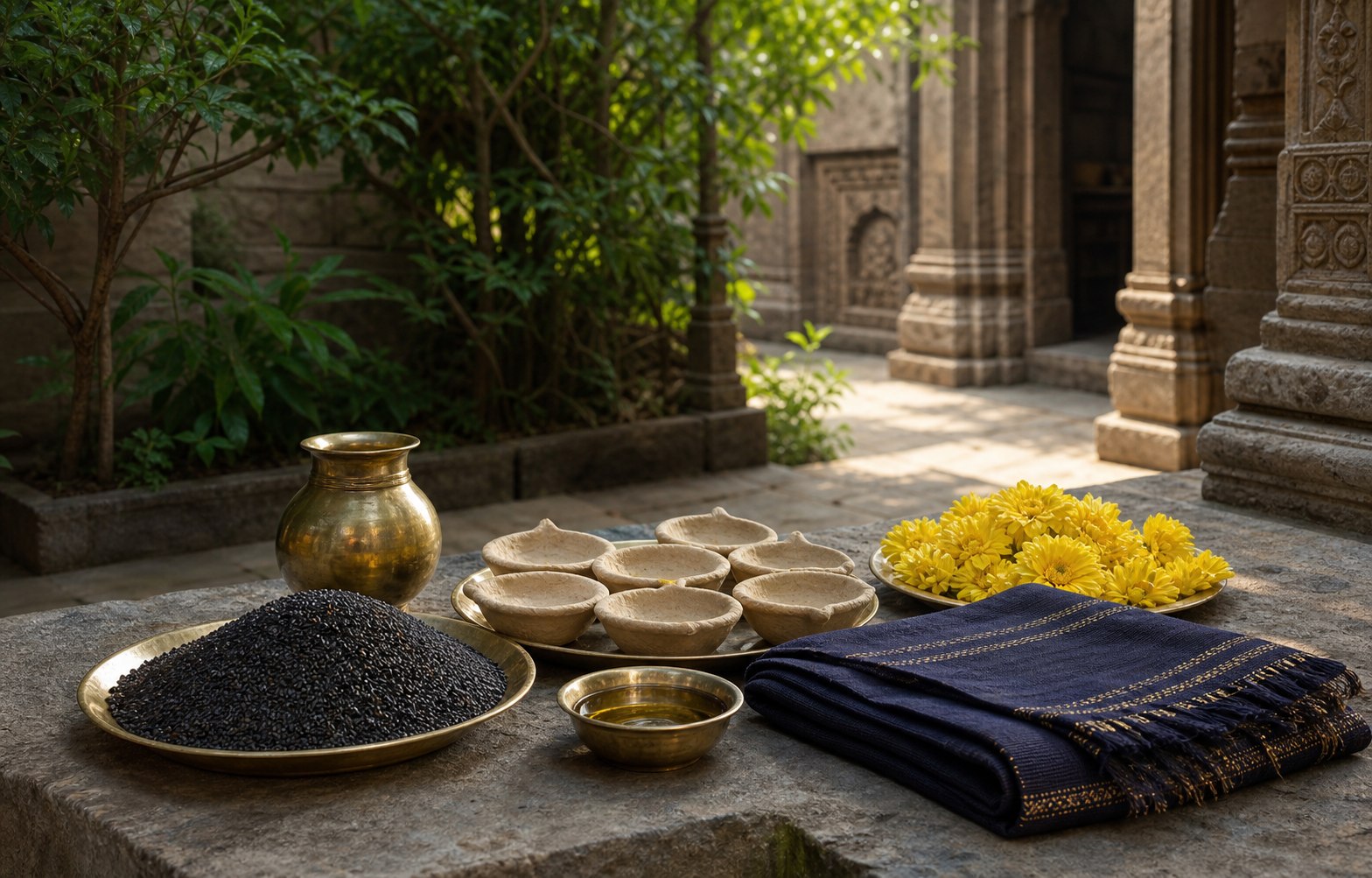
A traditional Saturday offering can include several concrete items, and different families follow different combinations rather than one fixed list:
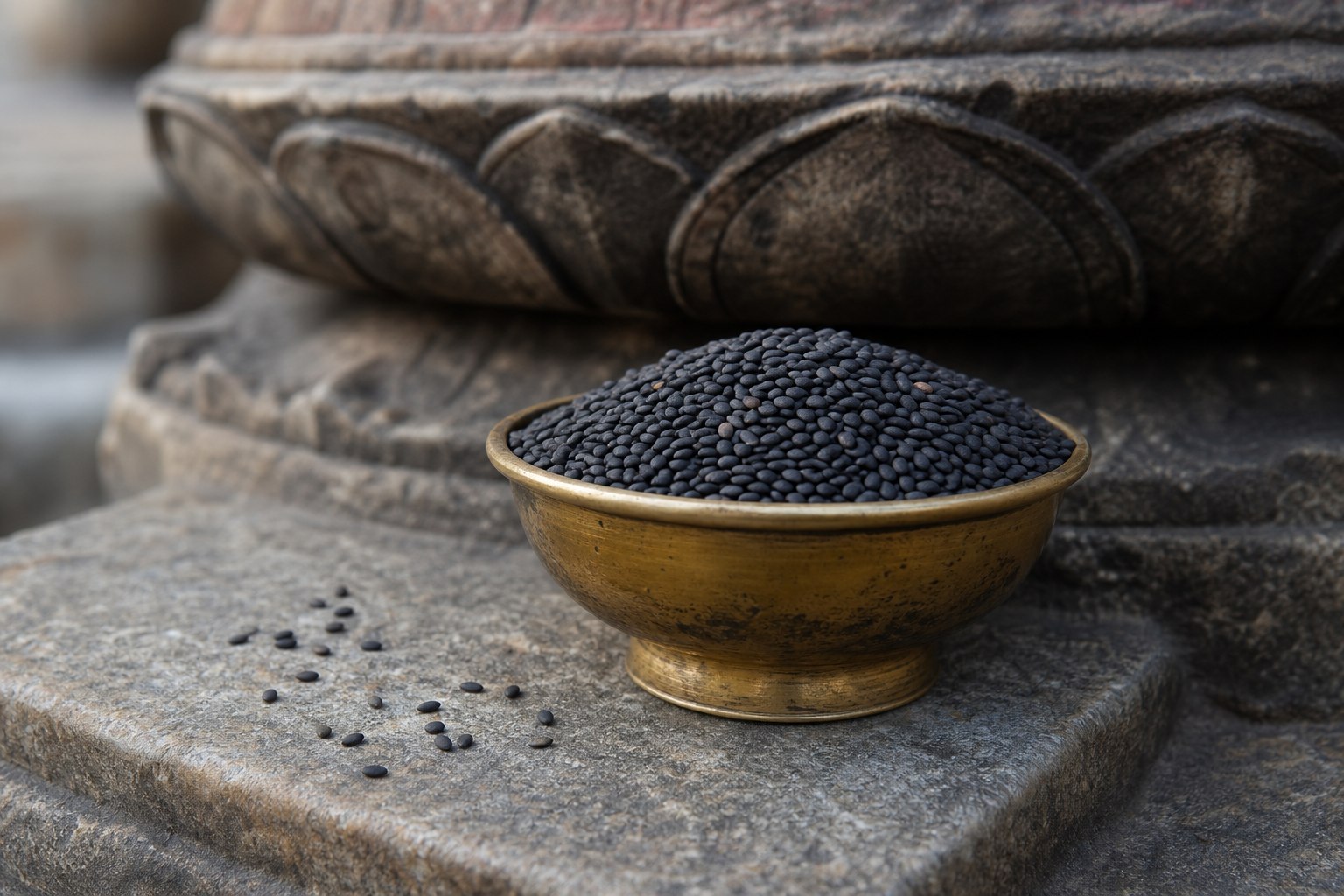
- Black sesame seeds (til), offered during prayer or donated as food.
- Mustard oil in the north, or sesame oil in parts of the south, used for a lamp or given as a gift.
- Iron or iron-based items, traditionally associated with Saturn.
- A dark cloth, given to someone in need rather than kept as a souvenir.
- Cooked food, given directly to a hungry person, or to animals such as cows or crows.
Our detailed piece on what to offer Shani Dev on Saturday goes through the regional variations in more depth. What stays constant across all of them is that the item matters less than whether it was given without needing anyone to notice.
Saturday Worship and the Remedies That Support Character
Saturday, Shanivara, is the day traditionally set aside for Shani worship, and this is not a modern marketing invention. Drik Panchang, a widely used Hindu calendar reference, confirms that Shani's dedicated worship happens on Saturdays across regional traditions, alongside festivals such as Shani Jayanti and Shani Pradosh (Drik Panchang). A stricter observance, the Shanivara Vrat, is traditionally kept for 33 consecutive Saturdays, with food eaten only once a day, known as Ekabhukta Vrat, commonly a khichdi made from urad dal (Drik Panchang).
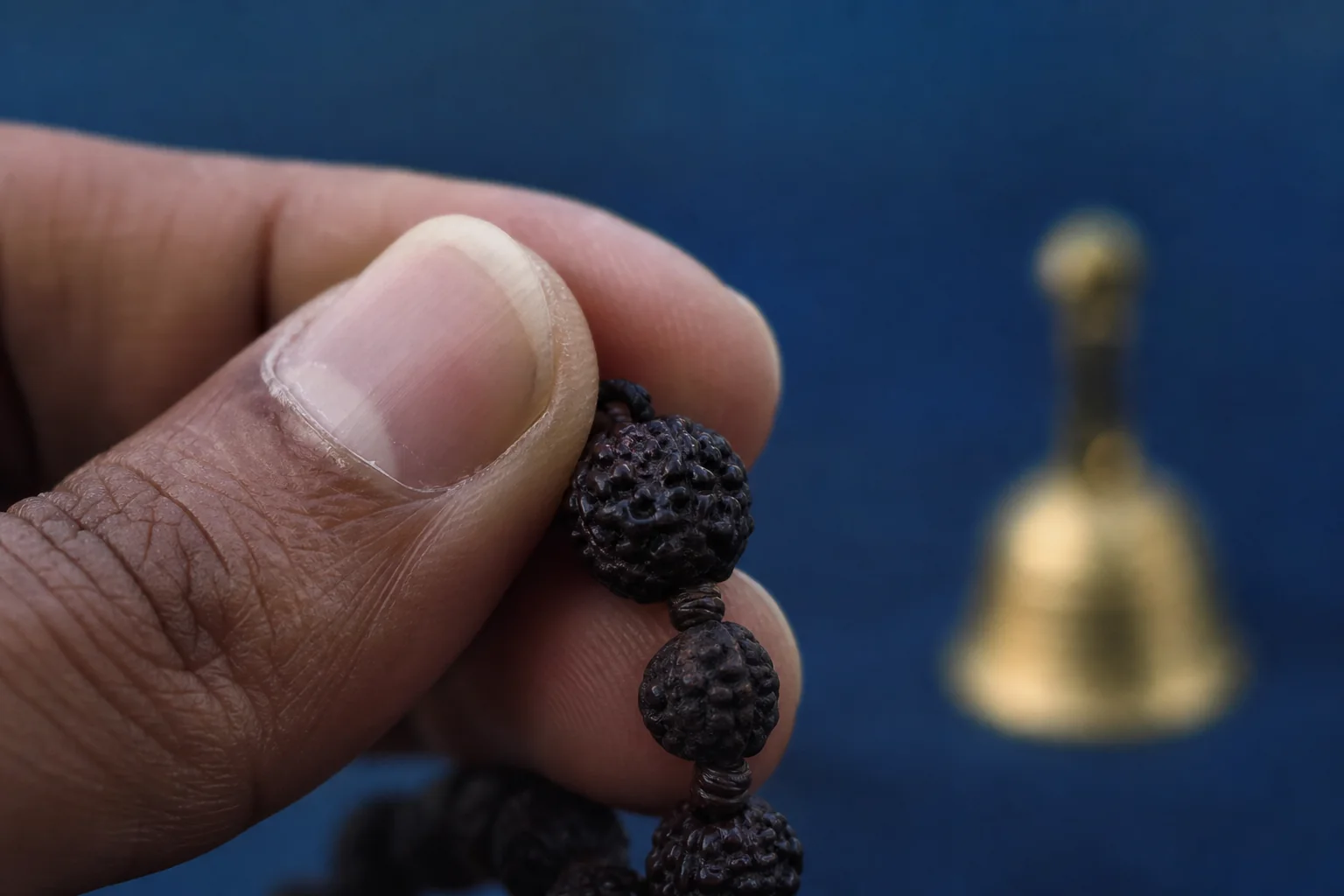
A simpler Saturday practice is far more common and no less valid: bathing before prayer, lighting a lamp, reciting a mantra such as "Om Sham Shanicharaya Namah," and sitting quietly for a few minutes before starting the day's work. Anyone who wants the fuller ritual sequence, in order, can follow our step-by-step Shani puja vidhi, and anyone who wants the mantra's meaning explained rather than just transliterated can read our breakdown of the Shani puja mantra. None of these practices work as a stand-alone fix. In the tradition's own framing, they are support structures around the conduct described above, not replacements for it.
Be Wary of Anyone Selling Fear Alongside an Expensive "Only Cure"
If someone tells you that a single costly gemstone, ring or ritual is the only thing standing between you and disaster, that claim itself deserves real suspicion. Tradition does not describe Shani Dev as a deity who can be paid off, and no honest reading of the sources supports the idea that character can be skipped as long as the invoice is large enough.
Take Neelam, the blue sapphire associated with Saturn in some traditions. It is optional. Plenty of sincere devotees never wear one. If you are curious what tradition actually claims for it, and what it does not, our piece on Neelam and blue sapphire benefits sets out both sides plainly. The same goes for the custom of wearing black on a Saturday, which some families follow and others do not; see wearing black on Saturday for what it does and doesn't mean. And a particular building is not required either; you do not need to visit a Shani temple to be considered devoted.
Devotion, in this tradition, is available to a daily-wage worker with a five-minute prayer and to someone with resources for an elaborate puja in equal measure. Money, location, a specific gemstone or access to a particular temple were never the deciding factor. Conduct was.
Conclusion
Pleasing Shani Dev, as tradition describes it, comes down to how a person actually behaves: honest in dealings, punctual with time, humble toward workers and elders, and generous without needing credit for it. Saturday prayer, a lamp, sesame oil, or a properly performed puja can support that life, and a transparent remote seva with a clear record is one honest way to have the ritual side handled. None of it replaces the conduct itself, and no source worth trusting claims otherwise. Be skeptical of anyone who insists a single expensive object or ritual is the only real remedy. Tradition points the other way, toward a fairer, steadier, more honest way of living that is open to anyone, regardless of what they can afford.