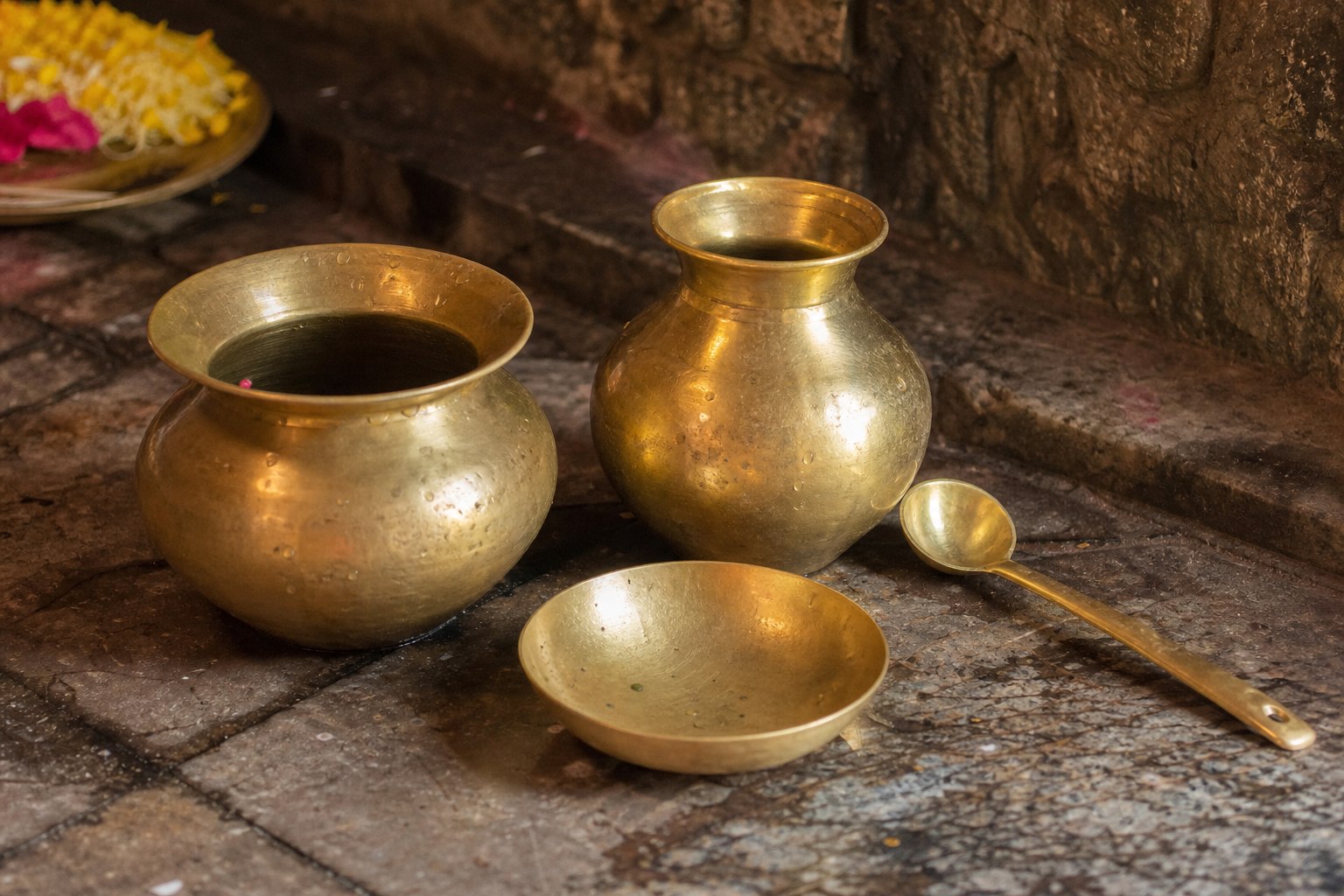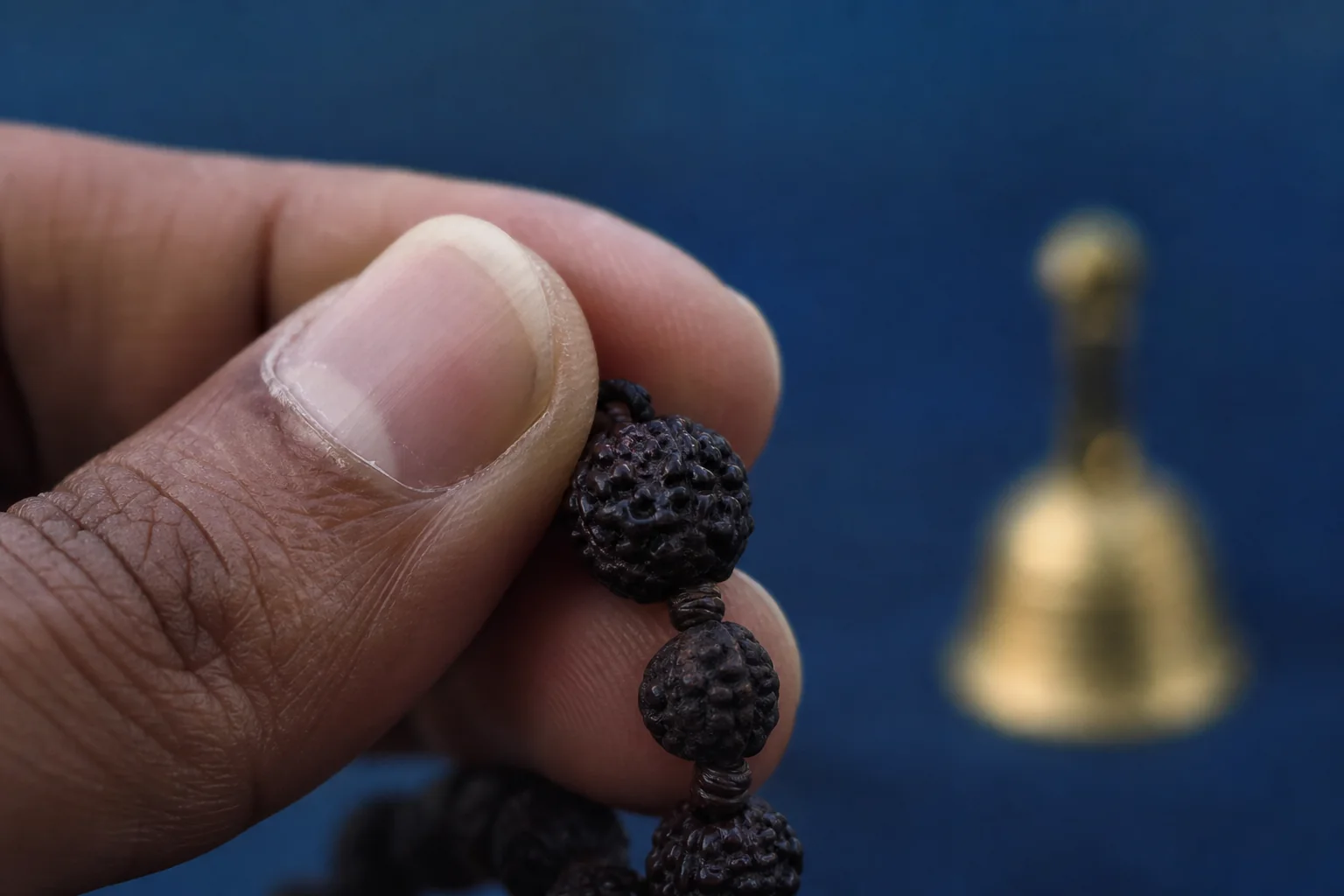

Shani puja benefits are almost never a single fixed outcome. Devotees report a calmer mind, steadier discipline around money and work, and a renewed habit of charity, especially towards the poor, labourers, and animals that Shani Dev is traditionally associated with. The ritual itself centres on four concrete elements: Til Tel Abhishek (sesame oil anointing), Shani Mantra Jaap, Deepdaan (lamp offering), and a Sankalp where the pandit recites the devotee's name and gotra aloud. None of this is presented as a guarantee that every obstacle in your life will disappear.
Here is the tension most articles skip. People arrive at this topic wanting a checklist: do X, get Y job, get Z marriage proposal. Shani Dev's own mythology argues against that kind of transaction. He is described as the planet of karma who rewards patience and fair conduct over time, not a vending machine for quick fixes, and any puja that promises otherwise is selling fear, not faith.
What a Shani Puja Actually Involves

A traditional Shani puja is built around four steps, performed in sequence rather than treated as optional extras.
- Sankalp with Gotra Recitation: the pandit states the devotee's name, gotra, and the specific intention for the puja, out loud, before Shani Dev.
- Til Tel Abhishek: raw sesame oil is poured over the murti or shivling as an offering, a practice tied to Shani accepting sesame oil from Hanuman according to well known temple tradition (Hindu Blog).
- Shani Mantra Jaap: repeated chanting of the Shani beej mantra or Shani Stotra, usually in multiples of 108.
- Deepdaan: a mustard or sesame oil lamp is lit and kept burning through the ritual.
The order matters more than the scale. A short home version that includes all four steps in sequence is considered more complete in most traditions than an elaborate but rushed ceremony that skips the Sankalp entirely.
The Real Benefits People Report
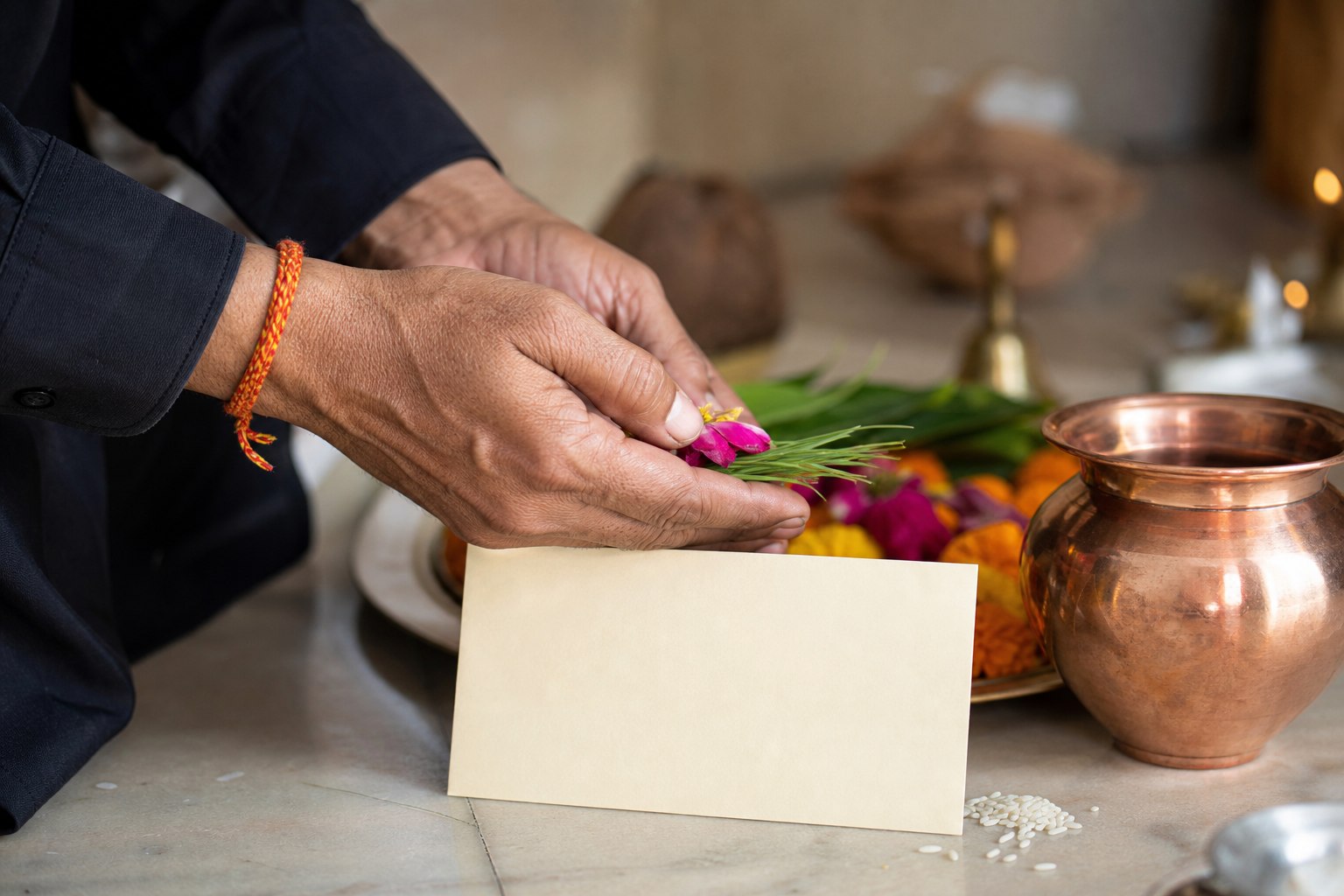
The benefits devotees describe after a Shani puja are personal and internal, not transactional. Discipline comes up most often: people say the ritual makes them more consistent about work they had been avoiding, whether that is a pending exam, a stalled business decision, or an uncomfortable conversation they had been postponing.
A second theme is quieter reflection. Saturn in Vedic thought is linked to slowing down and facing consequences honestly, so many devotees treat the Saturday puja as a weekly checkpoint, a moment to ask whether their conduct has been fair to employees, family, or strangers that week.
Charity is the third, and probably the most concrete. Traditional Shani worship includes feeding cows, offering food to the needy, and giving to the underprivileged specifically on Saturdays. People who keep this up for months, not once, are the ones who describe a real shift, less in circumstances and more in how they respond to circumstances.
None of this is measurable the way a bank balance is measurable. Treat it as tradition and lived reflection, the same way you would treat a weekly journalling habit or a fast, not as a formula with a predictable payout.
What Shani Puja Cannot Promise

No puja, however carefully performed, can promise to remove every obstacle from your life, and any pandit or website that says otherwise is worth being skeptical of. Shani Dev's own reputation in scripture is for fairness rather than favouritism, so the idea of buying your way out of consequences sits oddly with the tradition itself.
Be specifically wary of anyone who pairs a frightening reading of your chart with an expensive "only cure," whether that is a rare gemstone, a repeat series of costly pujas, or a demand that you act immediately or face disaster. That pattern is fear selling, not devotion, and it is a stance Shani Seva pushes back against directly.
What the puja can reasonably offer is a structured, repeated practice: a weekly or occasional reset that supports the discipline, patience, and honest self-examination Shani is associated with. Whatever follows, if anything, is lived through your own choices afterward, not delivered by the ritual alone.
When People Turn to Shani Puja
Most devotees perform Shani puja around three specific windows: plain Saturdays, Shani Jayanti, and a Sade Sati or Shani Dosha period identified in the birth chart.
Saturday is Shani Dev's own weekday in the Hindu calendar, which is why Saturday worship of Shani is treated across multiple traditions as the default, with no special occasion required (Drik Panchang). Shani Jayanti, observed as Shani Dev's birth anniversary on Amavasya Tithi in the month of Jyeshtha, is treated as an especially significant day for a fuller puja, the way a birthday carries more weight than an ordinary visit.
Sade Sati is different again. It is the seven-and-a-half-year transit of Saturn through the signs before, over, and after your natal Moon sign (Wikipedia). Before assuming you are in one because of a run of bad weeks, it helps to actually check, and to first read what Sade Sati really means rather than go by feeling alone.
Recognising Shani Dosha Before You Assume the Worst
Shani Dosha is not the same as Sade Sati, though people often mix the two up. Sade Sati is a transit period tied to your Moon sign; Shani Dosha is a placement issue, most commonly Saturn sitting in a difficult house or forming a hard aspect in your birth chart at the time you were born.
The signs traditionally attributed to Shani Dosha include repeated delays in career decisions, friction with authority figures, and a persistent sense of being tested rather than supported. Our detailed piece on Shani Dosha's meaning and effects goes through these in more depth than is useful here.
If you want a factual starting point rather than a vague feeling, a Shani Dosha calculator that works from your actual birth chart is more reliable than matching your mood to a list of symptoms. The same goes for Sade Sati: use a proper calculator rather than assuming every bad week is Saturn's doing.
Even a confirmed Dosha or an active Sade Sati is not a life sentence. Hindu tradition treats these periods as demanding, not doomed, testing patience and integrity rather than punishing at random.
How a Remote Shani Puja Actually Works
Not everyone has a Shani temple nearby, and not everyone can travel to one on a working Saturday. This is exactly the gap remote, or proxy, puja is meant to fill, and it works in a fairly simple, checkable way.
Pricing is fixed and published, not negotiated case by case:
None of these add-ons are framed as necessary to make the puja "work." They exist for people who specifically want to extend their charity or ritual on that day, which fits the wider point already made: Shani puja is not a formula where more spending buys a bigger result.
Doing It Yourself Versus Booking a Pandit
You do not need a pandit to perform a basic Shani puja. A sincere home version with the same four elements, done correctly, is considered complete in most traditions. Our guide on doing Shani puja at home walks through exactly what that looks like, and a full vidhi is worth reading before you start rather than during, since Sankalp timing matters.
What you actually need is a short, specific list, not an expensive one: raw sesame oil, a few black sesame seeds, a lamp with mustard or sesame oil, and the Shani beej mantra written down if you have not memorised it. Our samagri list has the full set, including what is optional. If you are unsure of the exact words, our breakdown of the Shani mantra explains pronunciation and meaning rather than just handing you a transliteration to repeat blindly.
On a plain Saturday, even without a full puja, a smaller offering matters. What to offer Shani Dev on a Saturday covers this shorter version.
A temple visit is not required either. As we have written before, you do not need to visit a Shani temple to pray sincerely; devotion is not limited by distance, mobility, money, or access to a particular building. A pandit-led or remote version simply adds precision, correct pronunciation, and a proof of completion that a solo attempt at home cannot easily provide for someone anxious about getting the ritual wrong.
Other Remedies People Pair With the Puja
Shani puja is sometimes paired with other remedies, and it is worth being clear about which of these carry devotional weight and which are commercial add-ons dressed up as necessity.
Wearing black on Saturdays is a genuinely old, low-cost tradition tied to Shani, and our piece on wearing black on Saturday covers where that custom comes from. A Shani ring, usually iron or panchdhatu, is another traditional item people wear; our guide to Shani ring benefits is honest about what tradition claims and what remains unverifiable belief.
Gemstones are where more caution is warranted. Blue sapphire, or Neelam, is marketed aggressively as a Saturn remedy, sometimes at prices running into the thousands, with claims that border on fear selling. Our piece on Neelam benefits explains why a trial period and a knowledgeable jeweller matter far more than the price tag, and why no gemstone substitutes for the discipline the puja itself is meant to encourage.
If a Dosha or Sade Sati period feels genuinely heavy, simpler remedies exist before any expensive purchase. Our pieces on Shani Dosha remedies and Sade Sati remedies both lead with low-cost, repeatable practices, charity, mantra, fasting, ahead of anything requiring a large one-time spend. That ordering is deliberate: devotion should be accessible regardless of what you can afford.
Conclusion
Shani puja is best understood as a repeated practice, not a single transaction. The four elements, Sankalp with Gotra recitation, Til Tel Abhishek, Shani Mantra Jaap, and Deepdaan, matter more in the right order than in scale or expense. The benefits people genuinely report are personal: steadier discipline, a habit of honest reflection, and a stronger pull towards charity and fair conduct, especially on Saturdays. None of this removes every obstacle, and no version of this puja, home based, temple based, or performed remotely with a recorded Sankalp and a Seva Record as proof, should be sold to you with fear attached. Whether you are marking Shani Jayanti, moving through Sade Sati, or simply keeping a Saturday habit, the ritual works alongside your own choices, not instead of them.